
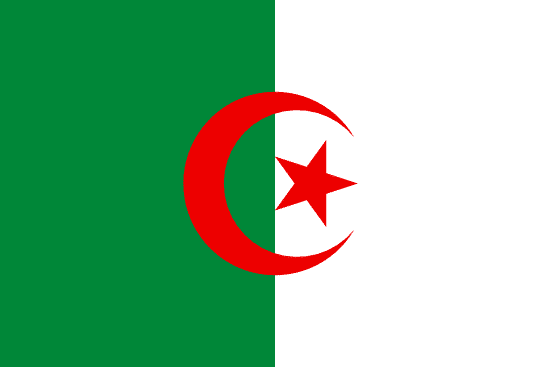
ALGERIA
Country Guide
ASIA RELOCATION
Algeria – Country Informations
- Dnh
- Infos reviewed 25/08/25
Have you decided to Move to Algeria?
Whether you’re planning a tourist trip or a business relocation, here’s what you should know before you go.
Algeria General Overview
- Official country name: People’s Democratic Republic of Algeria (Al-Jumhūrīyah al-Jazāʾirīyah ad-Dīmuqrāṭīyah ash-Shaʿbīyah)
- Location: North Africa, Mediterranean coast, Maghreb region
- Capital city: Algiers
- Official language(s): Arabic and Tamazight (Berber)
- Currency: Algerian Dinar (DZD)
- Time zone: UTC+1 (no daylight saving time)
Algeria Culture & Traditions
- Key customs to be aware of:
- Hospitality is deeply ingrained – guests are treated with utmost respect and generosity.
- Tea culture is central to social interactions; mint tea is offered frequently.
- Family is the cornerstone of society with strong extended family ties.
- Respect for elders is paramount in all social interactions.
- Friday is the holy day; many businesses close or have reduced hours.
- Greetings are important and can be lengthy, involving inquiries about family and health.
- Number of official public holidays: 11 national days
- New Year’s Day (January 1), Amazigh New Year (January 12), Labor Day (May 1), Independence Day (July 5), Revolution Day (November 1), plus Islamic holidays including Eid al-Fitr, Eid al-Adha, Mawlid (Prophet’s birthday), Islamic New Year, and Ashura (dates vary according to lunar calendar).
- Main traditional dishes and local drinks:
- Dishes: Couscous (national dish, typically Friday lunch), Tajine (stew), Chorba (soup), Rechta (noodles with chicken), Mechoui (roasted lamb), Bourek (filled pastries), Makroud (semolina cookies), Chakhchoukha, Garantita (chickpea flatbread).
- Drinks: Mint tea (very sweet), Turkish coffee, Hamoud Boualem (local soft drink), fresh orange juice, Lben (buttermilk), mineral water. Alcohol is available but consumption is restricted.
- Languages spoken daily and common expressions:
- Modern Standard Arabic is official, but Algerian Arabic (Darja) is spoken daily.
- Tamazight (Berber languages including Kabyle, Chaoui, Tuareg) spoken by 20-30% of population.
- French is widely used in business, education, and media.
- English is increasingly spoken by younger generations.
- Common expressions:
- “Salam alaikum” / “Sbah el khir” (Peace be upon you / Good morning)
- “Labess?” (How are you?)
- “Barak Allahu fik” (Thank you – God bless you)
- “Afwan” / “Bsaha” (You’re welcome)
- “Inshallah” (God willing)
- “Yemken” (Maybe)
- Common expressions:
- Specific clothing and behavioral norms:
- Conservative dress is expected, especially for women; modest clothing covering shoulders and knees.
- In coastal cities, dress codes are more relaxed but still conservative by Western standards.
- Business attire is formal; men wear suits, women wear conservative professional clothing.
- Traditional clothing includes djellaba (robe) and haik (white veil) for women.
- Public displays of affection between couples are discouraged.
- Use right hand for eating and greeting; left hand is considered unclean.
- Cultural Festivals:
- Timgad International Music Festival – July, celebrating various music genres in Roman ruins.
- Diwane Festival – Algiers, celebrating traditional Gnawa music.
- Amazigh New Year (Yennayer) – January 12, Berber cultural celebrations.
- International Festival of Raï Music – Oran, celebrating Algeria’s popular music genre.
- Sebeiba Festival – Djanet, Tuareg celebration in the Sahara.
Algeria Demographics & Society
- Total population: Approximately 45 million
- Major ethnic groups: Arab-Berber (99%), with significant Berber populations including Kabyle, Chaoui, Tuareg, and Mozabite communities. Small European and Sub-Saharan African minorities.
- Main religion(s): Islam (Sunni) – 99% (state religion), with small Christian and Jewish minorities. Islam strongly influences daily life, culture, and law.
- General safety level:
- Generally safe in major cities and tourist areas with low violent crime against foreigners.
- Petty theft and pickpocketing can occur in crowded areas.
- Southern desert regions near borders with Mali, Niger, and Libya have security concerns due to terrorism risks.
- Avoid demonstrations and large gatherings.
- Political situation can be sensitive; exercise caution in discussions.
- Attitude towards foreigners and diversity:
- Algerians are generally friendly and curious about foreigners.
- Hospitality culture means visitors are often warmly welcomed.
- French nationals may encounter mixed reactions due to colonial history.
- Women travelers may experience unwanted attention; conservative dress helps.
- Expat community is relatively small, concentrated in Algiers and oil/gas industry areas.
- Arabic or French language skills greatly enhance integration.
Algeria Key Cities & Regions
- Capital city: Algiers (3.5 million people) – White-painted coastal capital with Ottoman Casbah (UNESCO site), French colonial architecture, Mediterranean charm, political and economic center. Learn more here…
- Major cities:
- Oran (1.5 million) – Second-largest city, Mediterranean port, vibrant cultural scene, birthplace of Raï music, more liberal atmosphere.
- Constantine (450,000) – “City of Bridges,” dramatic location over deep gorges, historic cultural center, Ottoman heritage.
- Annaba (400,000) – Coastal city with beautiful beaches, Roman ruins of Hippo Regius, industrial port.
- Blida (330,000) – At foot of Atlas Mountains, known as “City of Roses,” agricultural center.
- Batna (290,000) – Gateway to Roman ruins of Timgad (UNESCO), Aurès Mountains.
- Sétif (280,000) – Highland city, agricultural and commercial center, Roman archaeological sites.
- Tlemcen (170,000) – Western city near Morocco, Islamic architecture, Andalusian influence, historic capital.
- Béjaïa (180,000) – Kabyle coastal city, beautiful bay, Berber cultural center.
- Must-visit regions or landmarks: Sahara Desert (Tamanrasset, Djanet, Tassili n’Ajjer UNESCO rock art), Timgad Roman ruins (UNESCO), Djémila Roman city (UNESCO), M’Zab Valley (UNESCO, unique desert architecture), Hoggar Mountains, Tipaza Roman ruins on Mediterranean, Casbah of Algiers (UNESCO), Qal’a of Beni Hammad (UNESCO), Tassili National Park.
Algeria Weather & Climate
- Type of climate: Mediterranean on coast, Semi-arid in interior, Saharan desert climate in the south (80% of country).
- Average seasonal temperatures:
- Coastal regions:
- Winter (December – February): 8-17°C, mild with rainfall.
- Spring (March – May): 12-22°C, pleasant.
- Summer (June – August): 22-32°C, hot and humid.
- Autumn (September – November): 16-26°C, warm.
- Sahara Desert:
- Winter: 5-20°C, cold nights, warm days.
- Summer: 25-45°C+, extreme heat, can exceed 50°C.
- Highlands: Cooler temperatures, snow in winter in Tell Atlas and Aurès Mountains.
- Coastal regions:
Schooling
Health & Care
Banking
Algeria Practical Informations
- Entry requirements:
- Visa required for most nationalities, including US, EU, UK, Canada, and Australia.
- Tourist visas typically valid for 30-90 days.
- Business visas require invitation letter from Algerian company.
- Work permits and residence permits required for employment and long-term stays.
- Letter of invitation often required for tourist visas.
- Visa process can be lengthy and bureaucratic.
| Country of Origin | Visa Status | Key Requirement Notes |
| 1. 🇻🇳 Vietnam | Visa Required | Citizens must apply for a visa at the Algerian Embassy in Hanoi. Special Note: Vietnamese citizens are often exempt from paying the visa fee (Chancery fees), but the standard application process and required documents still apply. |
| 2. 🇵🇭 Philippines | Visa Required | Citizens must apply for a visa at the nearest Algerian Embassy or Consulate (e.g., in Kuala Lumpur). There are no specific exemptions based on holding a Schengen, US, or UK visa for entry into Algeria. |
| 3. 🇹🇭 Thailand | Visa Required | Citizens must apply for a visa at the nearest Algerian Embassy or Consulate (e.g., in Kuala Lumpur or Hanoi). There are no specific seasonal or third-party visa exemptions for Thai nationals. |
Common Tourist Visa Requirements for Algeria
The Algerian visa process is known for being strict and requiring extensive documentation. For a tourist visa, applicants from all three countries must typically provide:
Original Passport (valid for at least 6 months beyond the intended stay).
Two (02) completed and signed visa application forms.
Two (02) recent passport-sized photographs.
Proof of Accommodation: Either a confirmed Hotel Reservation or a Certificate of Accommodation (Certificat d’hébergement) duly certified by the local authorities (APC) in Algeria.
Confirmed Round-Trip Flight Booking.
Latest Bank Statement (proof of sufficient funds).
Visa Fees (Note: Varies by nationality and the Embassy/Consulate).
Useful Link
Since Algeria does not use a central e-Visa portal, the official source of information is the Ministry of Foreign Affairs, where you can find general requirements and links to Diplomatic Missions: Algeria Ministry of Foreign Affairs – Entry Visa Information (General)
- Local transportation options:
- Algiers Metro – Modern system connecting parts of the capital.
- Tramways – Operating in Algiers, Oran, Constantine, and other cities.
- Buses – Extensive network but can be crowded and unreliable.
- Taxis – Yellow taxis in cities; negotiate fare beforehand or ensure meter is used.
- Shared taxis (louage) – Intercity travel, depart when full.
- Trains – Limited rail network connecting major cities; comfortable but slow.
- Domestic flights – Air Algérie connects major cities; useful for long distances.
- Rental cars – Available but driving can be challenging; international license recommended.
- Cost of living:
- Housing: Rent for a one-bedroom apartment in Algiers center: DZD 40,000-80,000 ($300-600); outside center: DZD 25,000-50,000 ($190-380). Housing shortages in major cities. Learn more here…
- Food: Local restaurant meals: DZD 500-1,500 ($3.75-11); groceries affordable, especially produce and bread (subsidized).
- Transport: Metro/bus fares: DZD 50 ($0.37); taxis relatively affordable; fuel is heavily subsidized.
- Overall: Lower cost of living than Western countries, but imported goods are expensive. Currency controls affect prices.
- Electrical outlets and voltage used: Type C and F outlets (European standard), 230V / 50Hz.
- Emergency numbers to know:
- Police: 17 or 1548
- Ambulance: 14
- Fire Department: 14
- Civil Protection: 14
- Gendarmerie (rural areas): 1055
Algeria Visitor Tips
- Gestures to avoid or cultural taboos:
- Avoid using left hand for eating, greeting, or giving/receiving items.
- Don’t point the sole of your shoe at anyone; crossing legs should be done carefully.
- Avoid public displays of affection between couples.
- Don’t photograph military installations, government buildings, or people without permission.
- Avoid eating, drinking, or smoking in public during Ramadan daylight hours.
- Don’t criticize Islam, the government, or the president.
- Thumbs up gesture can be offensive in some contexts.
- Specific regulations:
- Alcohol consumption is restricted; available in licensed hotels and some restaurants but not widely.
- Alcohol cannot be consumed in public or during Ramadan.
- Drug laws are extremely strict with severe penalties including long prison sentences.
- Photography of government buildings, military sites, airports, and infrastructure is prohibited.
- Currency export/import is restricted; declare amounts over €1,000.
- Proselytizing non-Islamic religions is illegal.
- Cohabitation outside marriage is technically illegal but rarely enforced for foreigners.
- Tips for integrating locally:
- Learn Arabic or French – English is not widely spoken outside tourism/business sectors.
- Respect Islamic customs, especially during Ramadan and prayer times.
- Accept hospitality graciously; refusing tea or food can be offensive.
- Build relationships slowly – trust is earned over time.
- Be patient with bureaucracy – processes can be slow and require multiple visits.
- Dress conservatively to show respect and avoid unwanted attention.
- Join expat communities through embassies or international clubs.
- Understand that Friday is a day of rest; plan accordingly.
- Potential risks or important considerations:
- Bureaucracy: Complex and time-consuming administrative processes; documentation requirements are extensive.
- Currency controls: Strict regulations on foreign exchange; black market exists but is illegal.
- Healthcare: Public healthcare is free but quality varies; private clinics better but limited; serious conditions may require evacuation.
- Security concerns: Avoid border regions with Mali, Niger, Libya, and parts of southern Sahara due to terrorism risks.
- Internet censorship: Some websites and VoIP services are blocked or restricted.
- Women travelers: May experience harassment; conservative dress and behavior recommended.
- Infrastructure: Power cuts and water shortages can occur, especially in summer.
- Language barrier: English is not widely understood outside international business contexts.
- Housing shortage: Finding quality accommodation in major cities can be challenging and expensive.
- Business environment: Complex regulations, bureaucracy, and need for local partners in many sectors.
ASIA RELOCATION
Moving to Algeria? Here’s Why It’s a Great Choice!
Algeria is an intriguing destination for professionals and businesses, particularly those in the energy, construction, and infrastructure sectors. As Africa’s largest country by land area with vast natural resources, Algeria offers unique opportunities for those willing to navigate its distinctive business environment and embrace its rich culture and dramatic landscapes stretching from Mediterranean coast to Sahara Desert.
A Resource-Rich Economy and Strategic Opportunities
Algeria has Africa’s fourth-largest economy, primarily driven by oil and gas (95% of exports), making it attractive for energy sector professionals. The country is investing heavily in infrastructure development, renewable energy, housing, and economic diversification, creating opportunities in construction, engineering, telecommunications, and technology. With a young, growing population of 45 million and strategic location bridging Africa, Europe, and the Middle East, Algeria offers access to regional markets. The government provides incentives for foreign investment in priority sectors beyond hydrocarbons, including agriculture, pharmaceuticals, and manufacturing.
Unique Cultural Experience and Natural Diversity
Living in Algeria provides an authentic North African experience with deep historical roots, from Roman ruins to Ottoman heritage and Berber traditions. The country offers extraordinary natural diversity – Mediterranean beaches, Atlas Mountains, and the vast Sahara Desert with stunning landscapes like Tassili n’Ajjer. The cost of living is relatively low, with subsidized fuel, utilities, and basic goods. Algerian hospitality is legendary, and the cuisine is exceptional. For adventurous expats, Algeria offers an opportunity to experience a less-traveled destination with rich cultural heritage, though it requires cultural sensitivity and adaptability.
Your Trusted Partner for Relocation: Asia Relocation
Relocating to Algeria requires careful planning and local expertise. Asia Relocation makes the process smooth and hassle-free. Our team specializes in International moving and domestic moving services, visa and immigration assistance, Housing and school searches, and corporate relocations. We handle all logistics, including navigating Algeria’s complex bureaucracy, customs procedures, and documentation requirements, so you can focus on settling into your new life in Algeria.
Whether you’re moving for oil and gas industry work, international development projects, or business opportunities, Asia Relocation ensures a seamless transition.
📞 Contact us today to start your journey to Algeria with confidence.