
Storage in Southeast Asia, for the time between two decisions
Arriving in the region before there is anywhere to put things, or leaving it without taking everything. Asia Relocation holds household goods and business assets in its own warehouses across three countries, under one inventory and one coordinator.
Storage is usually sold as a local service: a warehouse, a rate, a monthly bill. It stops being local the moment a household crosses a border, and in this region it crosses borders often. Goods held in the wrong country are not a delivery away from their destination — they are an export, a clearance and a second round of handling away. Which is why the question we ask first is not how much you have, but which way you are travelling and how firm that is.
Asia Relocation has held belongings for expatriates and companies since 2011, in its own warehouses in Thailand, Vietnam and the Philippines. The standards are the same in each: security around the clock, controlled temperature and humidity, and a written inventory on everything held. The advantage of one company across the three is not the rate — it is that goods crated for a hold can leave for another country without being unpacked and repacked, and that the list governing the hold becomes the list on the export documents.
The climate does the rest of the deciding. Across the region it is sustained humidity rather than heat that damages stored belongings, and it does it slowly enough that nobody notices until the boxes are opened: mould on leather, joints moving in wooden furniture, paper cockling, contacts corroding in electronics. So we ask what is going into storage before recommending a unit. A conditioned unit is the only sensible answer for a library, a camera collection or anything wooden; for suitcases and garden furniture it is money spent on nothing, and we say so.
Storage also never stands alone. Things reach a warehouse because a crew collected them and leave because a crew delivered them. Our moving teams handle both ends in all three countries, and our relocation consultants know when a property will genuinely be ready — which is what turns an open-ended hold into one with an end date.
Three options, chosen by what the goods will do next
Not by volume, which only sets the price. Things that will stay put, things that will travel again, and things you will keep coming back for are three different problems with three different answers — and the third one is the one people get wrong.
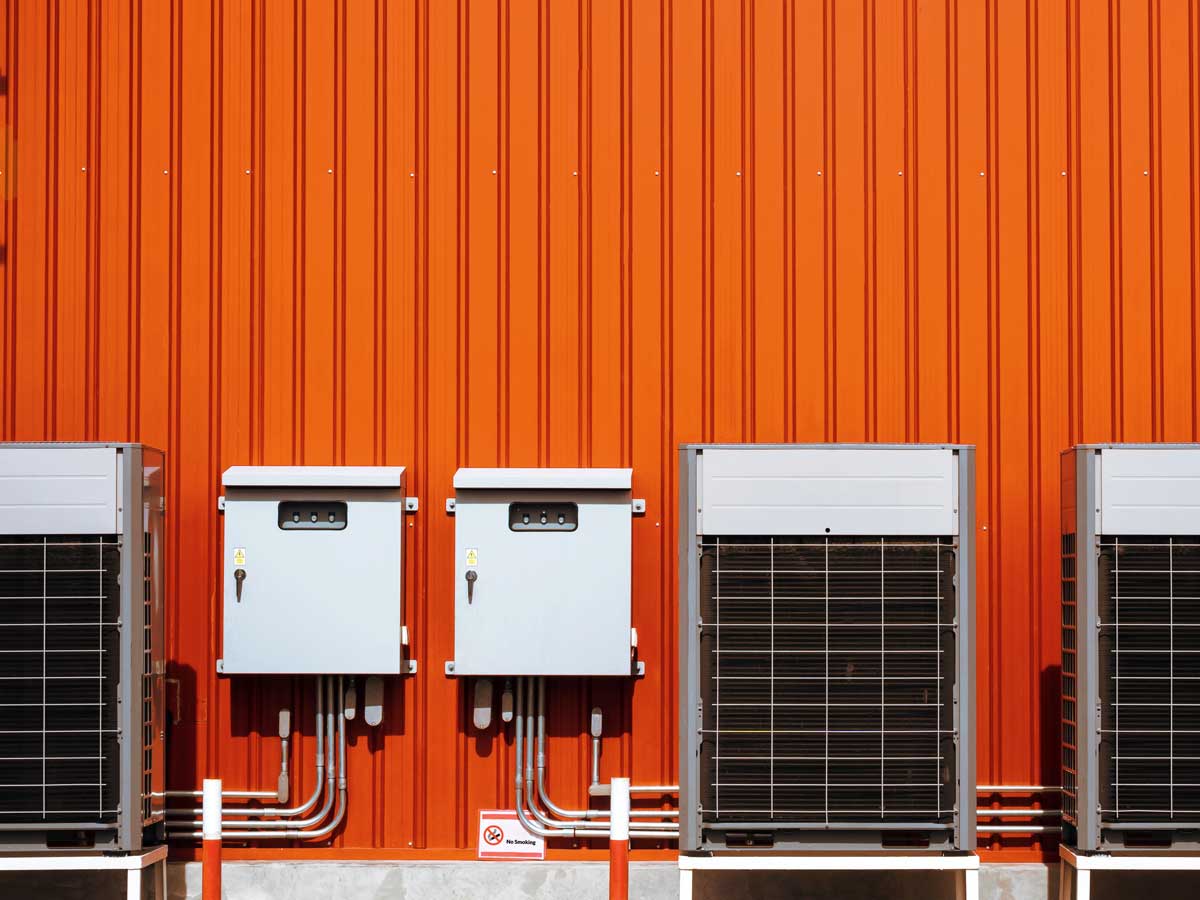
Air-Conditioned Storage
The default across the region, because here it is humidity rather than heat that quietly destroys what is stored. Available wherever we hold goods, so a household can be conditioned in one country and delivered in another without ever sitting in an ordinary shed.
Learn more →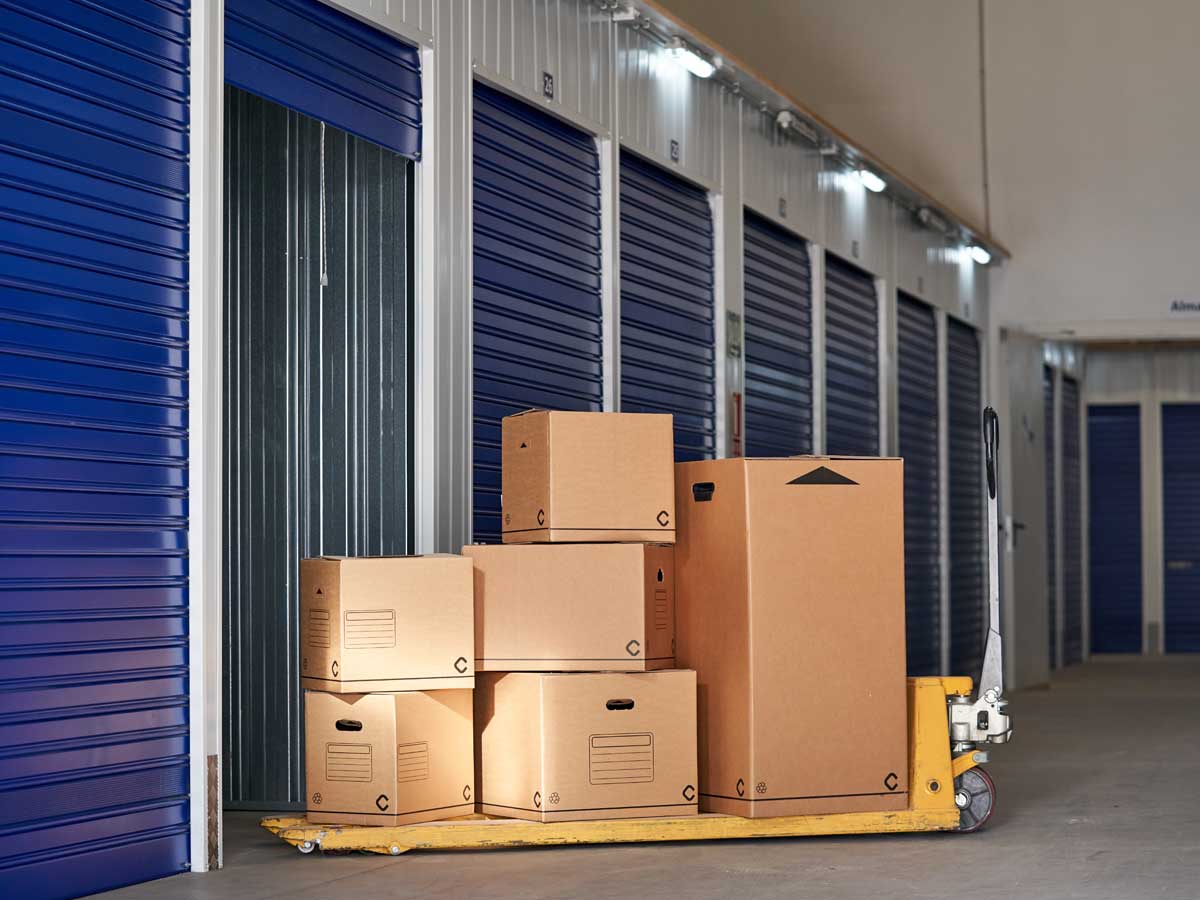
Reinforced Crates
The option that makes a regional company worth using: goods cased for a hold can be sent to another country later without being opened, so nothing is handled or listed twice. Worth choosing whenever the next address is still an open question.
Learn more →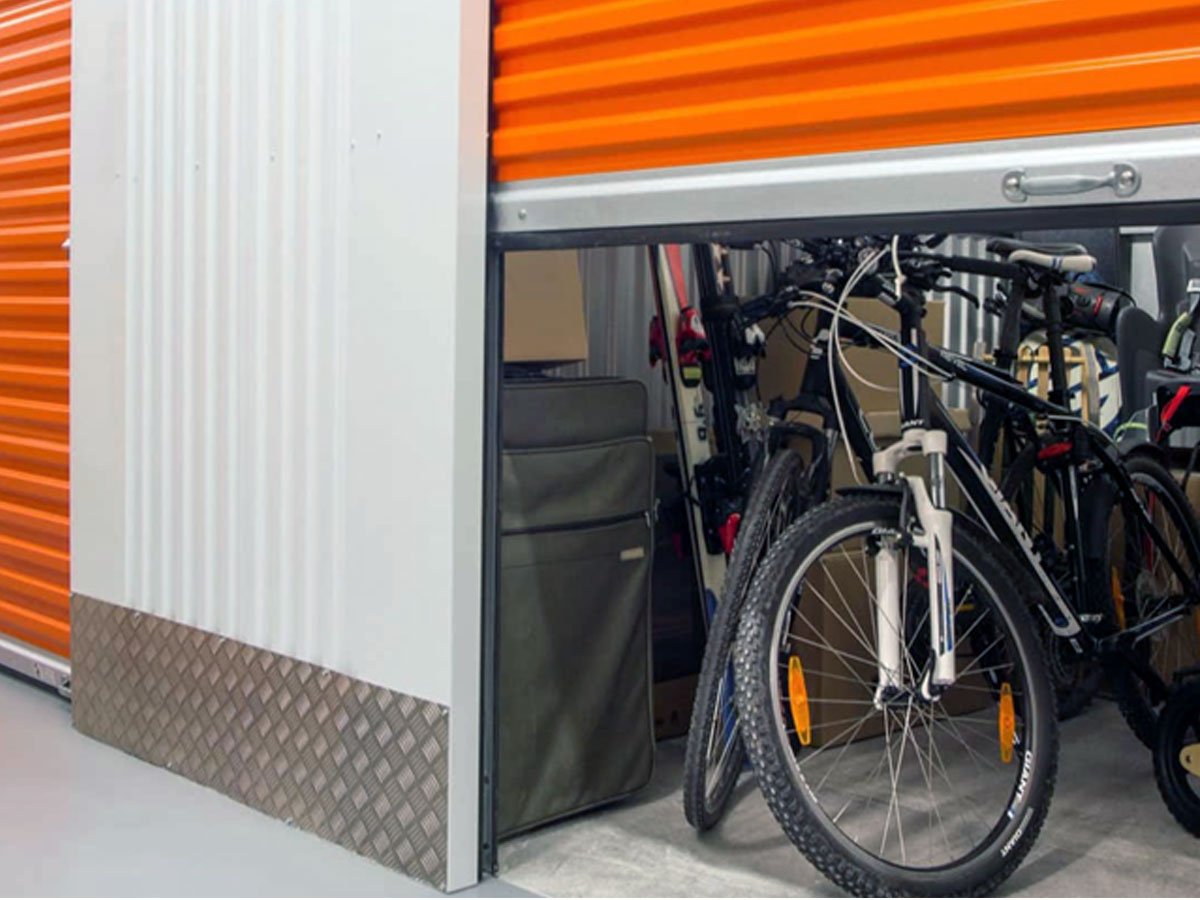
Self Storage
Right once the city is settled and you know you will keep coming back for things. It is also the least portable of the three — a unit you walk into is of no use from another country, so it is the wrong answer while a destination is still being argued over.
Learn more →Four ways to end up needing somewhere to put things
Every one of them is a date problem rather than a space problem. Which two dates refuse to meet decides the country, the product and the price, in that order.
Arrived in the region, not yet housed
The goods have landed or are about to, and the address is not settled — a lease that starts next month, a building not finished, or a country that was chosen after the shipment left. Holding for those weeks costs a fraction of renting somewhere large enough to receive a household, and it removes the pressure that makes people sign the first tolerable lease they are shown.
Leaving, without taking everything
A posting that ends with a return written into it, a family going home for a school year, a move somewhere the furniture cannot follow. Shipping a household out and back costs more than holding it once, and a great deal of what a home here accumulates is worth keeping without being worth a container. It waits under a written inventory, so the return is a delivery rather than a reconstruction.
Moving between our countries
Two sets of obligations run at once and the departure end sets the earliest date the arrival end can begin, so something has to wait somewhere. Crated and held with us, goods cross without being repacked and without a second inventory. This is the case no single country page can answer, and the one where two unconnected suppliers cost the most.
Leaving Asia altogether, and hesitating
The direction almost nothing published addresses. People go home not knowing whether it is for good, and shipping everything is an expensive way of deciding. Holding what you are unsure about — and taking what you are certain of — turns an irreversible decision into a reversible one. If a return becomes unlikely, we will tell you honestly rather than sell you another year.
Three countries, three different first questions
The standards are identical everywhere we hold goods. What changes is what each market makes difficult, and that is what decides the plan.
Thailand
Here the first question is about the building itself, and specifically about where it sits: this is a market where a warehouse's exposure to flooding is a fair thing to ask about before signing, and our site was chosen on that basis. Storage runs from the capital, with collection reaching the northern, southern and island markets. See what the Thai team holds.
The Philippines
Where the company started, in 2011, and the only one of the three in which choosing the wrong city means a sea crossing rather than a drive. Two warehouse cities rather than one, so goods can wait near where they will actually be delivered — which removes a whole transport leg and everything that can happen during it. See what the Philippine team holds.
Vietnam
The market where the difficult part happens before the warehouse: getting goods out of the building they are in, past streets a full-size vehicle cannot enter and loading hours a building will not bend. Everything is surveyed on site for that reason, and not every option runs in every city — which we state rather than average out. See what the Vietnamese team holds.
And the goods that leave
Not a country but a direction. Goods held with us can be released onto an outbound file without being repacked, whether the destination is another of our countries or somewhere outside the region entirely. We do the origin end with our own people and name the destination partner rather than implying the far side is ours. Tell us what has to wait.
One inventory that survives a border
One list, three countries
The inventory made at collection governs the hold and, if the goods move on, the export. Store with one company and ship with another and everything is handled twice, listed twice, and the two lists disagree at exactly the moment it matters.
Our warehouses, not rented shelves
In this trade storage is frequently sublet to a third party the client never meets. Ours are ours, which means the company that quoted the hold is the company answerable for the building your things are in.
Conditioned because the region requires it
Humidity, not heat, is what ruins stored belongings here, and it does so invisibly. Conditioned units are a standard rather than a premium tier — and we will tell you when your contents do not need one instead of selling it anyway.
Surveyed, then priced
Volume estimated over the phone is how a storage bill drifts above its quote. We measure, then quote, and the figure holds unless the contents change. It also lets us price one inventory against more than one country while you decide.
Four working languages
Our consultants work in English, French, Thai and Vietnamese. An agreement about your belongings should mean the same thing to you and to the people holding them, and that is not something to leave to a summary.
We say when to stop paying
A long hold on goods you are unlikely to reclaim is a bad deal that costs us nothing to prolong. We would rather have the conversation about what is genuinely worth keeping — it is the advice a provider paid by the month has no reason to give.
From an undecided destination to a delivery date
Tell us the direction
What has to wait, roughly how much of it, and which way you are travelling. You do not need to have chosen a country, and you do not need to know what the storage products are called. Working that out is the job, and it is easier before a survey than after one.
Survey and product choice
A consultant measures what is going in and asks the two questions that decide everything: what the contents are made of, and whether you will want access. Where a country is still open, we price the same inventory against more than one, so the comparison is real.
Fixed-scope proposal
Collection, the hold and delivery itemised separately, with an end date rather than an open commitment, and insurance quoted beside them. Extending or releasing early is written into the same document, so a change of plan is a phone call.
Collected, crated, listed and held
Our crew packs and, where crating applies, builds cases to the goods. Everything is listed as it goes in. Then the goods sit in a monitored warehouse at a stable temperature and humidity, and nothing is required from you at all.
Delivered, or released onward
Out against the same inventory when you say so. If the next address is in another of our countries or outside the region, crated goods travel without being reopened and the storage file becomes the outbound file rather than starting from an empty page.
Questions that come before a country is chosen
We are moving to the region but have not settled on a country. Where do our things wait?
Can we store in one country and have the goods delivered in another?
We are leaving Asia. Is it worth keeping anything here?
Does storage work the same way in all three countries?
Which storage type should we choose?
How long can goods stay, and can we change our minds?
Are stored goods insured?
How is it priced?
Storage guides across the region


Tell us what has to wait, and which way you are going
A household between two countries, a life packed up while a posting is decided, an office archive, or the half of a home you are not sure you want to ship. Send us the rough volume and the direction; we survey, recommend the country and the product, and quote a hold you can end early.
Get a storage quote →