Moving to Makati
Expat Life & Relocation Guide
Beginner’s Guide to Living in Makati as an Expat
Considering a move to Makati? Whether you’re a young professional, relocating family, newly retired, or part of a binational couple, Makati City offers one of the most convenient and dynamic urban lifestyles in the Philippines. Known as the country’s premier business district, it’s also a place where work, leisure, and culture blend seamlessly. This guide gives you the essentials to make a confident, well-informed relocation decision.
Why Makati? The Heart of Business and Lifestyle in Metro Manila
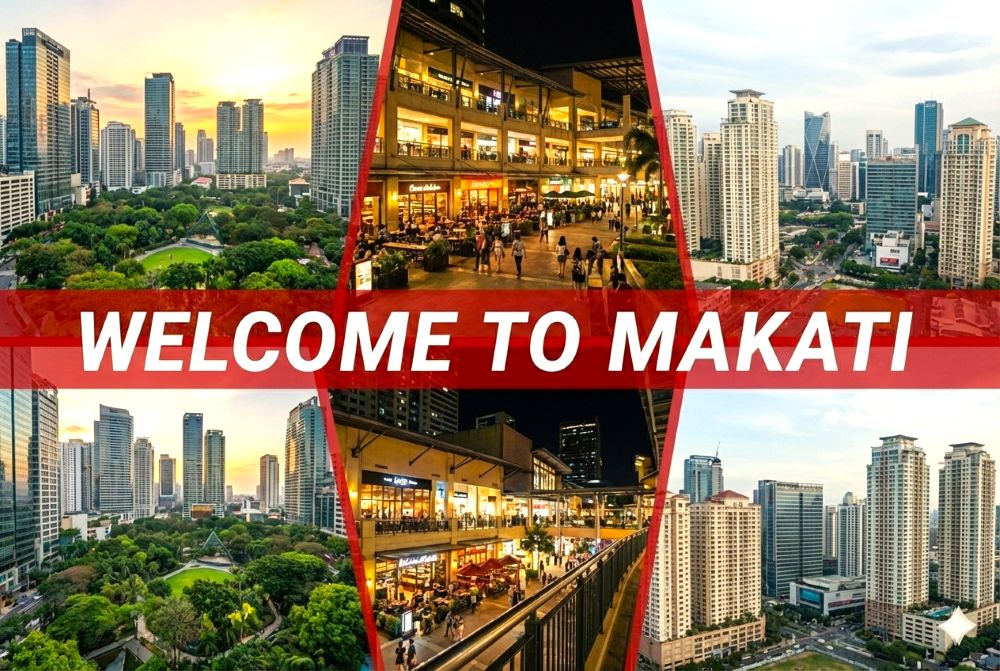
Makati is home to more than 60,000 businesses, including the headquarters of international banks, tech firms, and embassies. It’s also rich in green spaces, walkable streets, world-class dining, and cultural attractions.
Its compact layout means many expats enjoy walking to work — a rarity in Metro Manila. Whether you’re raising children, building a career, or seeking a comfortable retirement, Makati offers structure, safety, and convenience.
Should You Visit First? Why a Scouting Trip Helps
If you’re still exploring your relocation to the Philippines, a short-term visit to Makati is a great way to experience daily life before making a long-term commitment. During a 1–3 week stay, you can:
Explore different barangays (neighborhoods) and condo options
Test commute times to potential workplaces or schools
Visit medical centers, markets, and fitness clubs
Understand the city’s rhythm and pace
Temporary housing, serviced residences, and relocation advisors can make this kind of visit smooth and insightful.
Where to Live: The Best Areas in Makati
Makati is divided into barangays, each with its own character. Here are the most popular for expat families, young professionals, and retirees:
Legazpi & Salcedo Villages
Known for condo living, proximity to offices, weekend markets, and parks. Great for young expats and retirees in Makati who value walkability and lifestyle.
Rockwell Center
Upscale enclave with a gated feel. High-end condos, international preschool, retail mall. Popular among families relocating to the Philippines and executives.
San Antonio Village
A more residential, local vibe with access to international schools and offices. Ideal for binational families or couples seeking balance.
Poblacion
The bohemian and nightlife center. More affordable condos, bars, cafés, and co-living spaces in Makati. Attracts digital nomads and young adults on a budget.
When Michael and Anna, a German-Filipino couple, first visited Makati for a job interview, they stayed in a short-term rental near Salcedo Park. Two weeks later, their kids were enrolled in a nearby international school, and the couple was finalizing a condo lease. “It just made sense,” Anna says. “We could walk everywhere, and we felt at home almost instantly.”
Housing & Cost of Living
Makati has some of the highest real estate prices in the Philippines, but also some of the best returns in comfort and convenience. Here’s what to expect:
Housing & Cost of Living
Makati has some of the highest real estate prices in the Philippines, but also some of the best returns in comfort and convenience. Here’s what to expect:
| Expense Category | Estimated Monthly Cost (PHP) |
|---|---|
| 1-BR Condo (Central Makati) | ₱35,000 – ₱60,000 |
| 2-3 BR Condo (Rockwell Area) | ₱90,000 – ₱150,000 |
| Condo outside Makati (Pasay, Mandaluyong) | ₱20,000 – ₱40,000 |
| Utilities + Internet | ₱5,000 – ₱8,000 |
| Groceries & Dining | ₱15,000 – ₱30,000 |
| International School Tuition | ₱35,000 – ₱90,000 / month |

What It’s Like to Live in Makati
Living in Makati means easy access to nearly everything:
Supermarkets, banks, embassies, cafés — often within walking distance
Clean and landscaped public parks like Washington SyCip or Ayala Triangle Gardens
Cultural spaces like Ayala Museum and regular art fairs at Salcedo Market
Security and order: most condos have 24/7 guards and controlled access
It’s also one of the few districts where expat families in the Philippines can enjoy walking life.
Makati for Families, Couples & Retirees
For Families
Makati offers proximity to top schools, pediatric clinics, play areas, and family-friendly malls. Condos in Rockwell and Legazpi Village are preferred by families relocating to Makati due to safety and amenities.
For Couples
From cocktail bars in Poblacion to yoga studios and co-working spaces, Makati supports couples moving to the Philippines seeking balance and urban connection.
For Retirees
Retiring in the Philippines is increasingly attractive, and Makati stands out with its healthcare infrastructure, language accessibility, and condo options for retirees.
Culture, Language & Social Life
Language: English is widely spoken — no issue navigating banks, signage, Grab rides, or clinics.
Culture: Cosmopolitan vibe with cross-cultural integration, global schools, and art venues.
Social Life: Rooftop bars, parent groups, expat meetups, and language clubs make integration easy.
Transport & Getting Around
Makati’s compact size is one of its best features:
Walking is feasible in most commercial areas
Grab is the go-to for daily rides
Parking is limited — many young expats skip owning a car
Biking is growing in Legazpi and Salcedo
For longer-term stays, car leasing services can be an option.
Weekend & Free Time: Enjoying the City
Even outside of work, Makati has plenty to offer:
Ayala Museum: Curated insights into Philippine culture
Salcedo & Legazpi Weekend Markets: Organic food and crafts
Circuit Makati: Outdoor events and lifestyle center
Greenbelt & Power Plant Malls: Cinemas, restaurants, shopping
The city provides curated options for retirees, families, and young professionals in Makati.
Healthcare, Safety & Daily Living
Healthcare: Access to top hospitals, clinics, and in-building services
Safety: One of the safest urban zones in the Philippines
Daily Needs: Pharmacies, gyms, 24/7 supermarkets, and self-storage make daily life easy
Ready to Make Makati Home?
Makati continues to attract expats, retirees, entrepreneurs, and families — thanks to its livability, security, and rich lifestyle. Whether you’re in career transition, planning a family relocation to the Philippines, or looking to retire in Makati, experiencing the city firsthand is your best next move.
✨ Since 2025, The Philippines grants retirement visas starting at age 40 !
Chimvie Dimaculangan
+63 917 701 6127
chimvie@asia-relocation.com

Marc Le Lay
Country Manager – Asia Relocation Philippines
Editorial Director – Philippines
Marc Le Lay is Country Manager of Asia Relocation Philippines and Editorial Director for the Philippines.
He has over 20 years of experience in Asia, including senior leadership roles in international operations and service-driven organizations.
He directly oversees:
- International relocation services in the Philippines
- International moving operations to and from the Philippines
- Local operational teams and service delivery
- Content validation related to relocation, moving, and immigration processes
His expertise is based on hands-on experience managing complex operations in regulated and multicultural environments across Asia-Pacific.
All content related to the Philippines on Asia-Relocation.com is reviewed or validated under his supervision to ensure:
- Accuracy of local regulations and procedures
- Alignment with real operational capabilities
- Relevance for corporate mobility and expatriate needs

Other Blogs by Asia Relocation Philippines