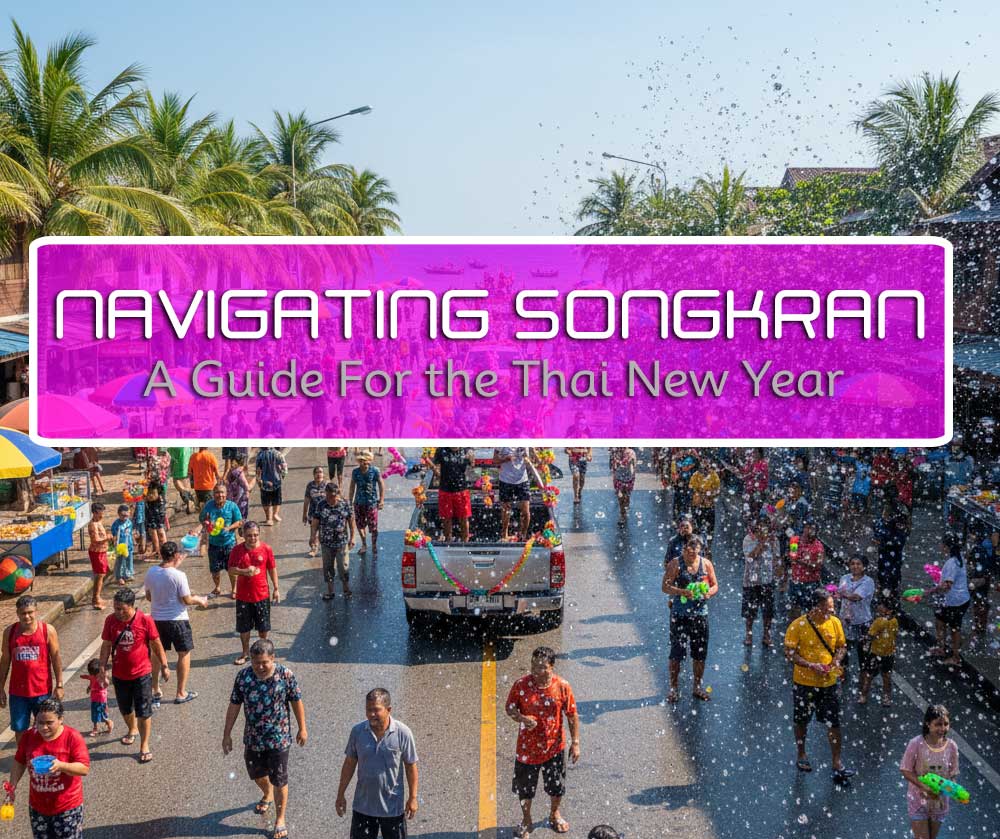
Navigating Songkran
A Guide to the Thai New Year
Songkran 2026: The Ultimate Guide to Thailand’s Water Festival for Expats and Families
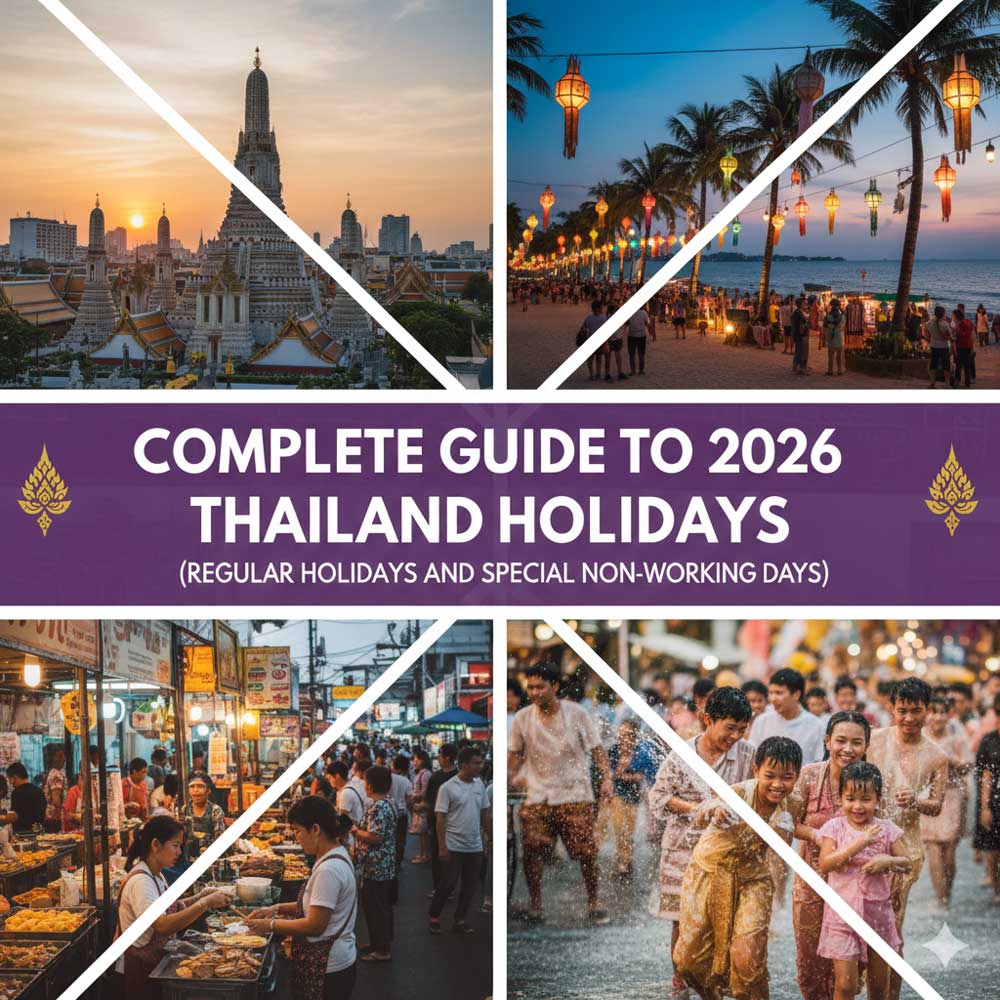
As the mid-April heat reaches its peak in Thailand, the atmosphere across the kingdom begins to shift. There is a palpable sense of excitement, a cooling anticipation of the chaos and celebration to come. For the uninitiated, it might seem like the world’s largest water fight is about to break out. For those who call Thailand home, it is the arrival of Songkran—the Thai New Year.
Songkran, derived from the Sanskrit word sankranti, meaning “to move” or “astrological passage,” marks the sun’s transition into the zodiac sign of Aries. While the Gregorian calendar celebrates the New Year on January 1st, Thailand officially adopted this date in 1940, but the heart of the nation remains tied to the traditional solar New Year in April.
Whether you are a young professional looking for the ultimate street party, a local expat navigating your fifth year in the city, or a family seeking to immerse your children in Thai culture, Songkran offers something for everyone. In this guide, we will dive deep into the traditions, the madness, and the practicalities of navigating the “Songkran Splendours”.
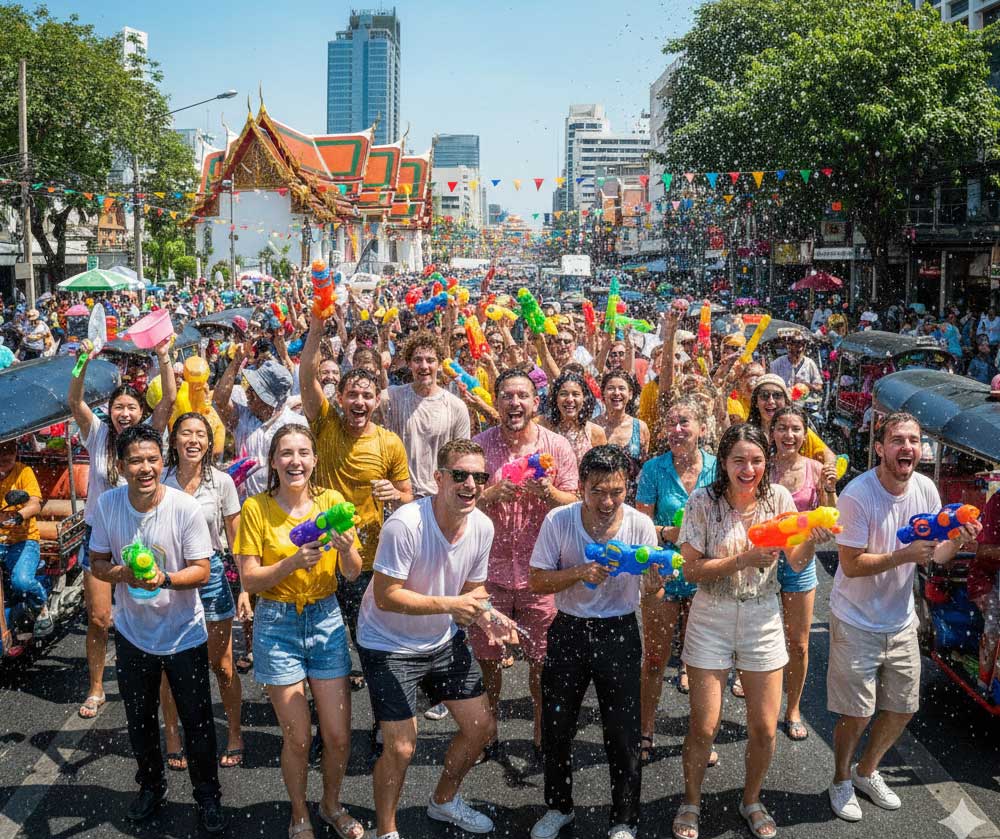
The Three Days of Songkran: Understanding the Tradition
The festival is officially observed from April 13th to 15th, though celebrations often extend well beyond these dates. To truly appreciate Songkran, one must look past the water pistols and see the layers of merit-making and family devotion that define the holiday
April 13th: Maha Songkran
This is the “Great Songkran” day, marking the end of the old year. It is a day of cleansing. You will see locals cleaning their homes, schools, and public spaces to wash away any bad luck from the previous year. Spiritually, it is a time for Rod Nam Dum Hua—the tradition of pouring scented water over the hands of elders to seek their blessing.
April 14th: Wan Nao
This is the transitional day between the old and the new year. Tradition dictates that one should refrain from arguing or using harsh language on this day to ensure a peaceful year ahead. Families often prepare food and offerings for the following morning.
April 15th: Wan Thaloeng Sok
This is the official New Year’s Day. It is the most auspicious day for merit-making (Tam Bun). In temples across the country, people build sand stupas (sand pagodas) as a way to return the earth they have carried away on their shoes throughout the year.
Extended Festivities: In recent years, the Thai government has extended the holiday period to allow citizens to travel home, sometimes spanning from April 9th to 16th. In 2024, celebrations even spanned nearly the entire month in certain regions.
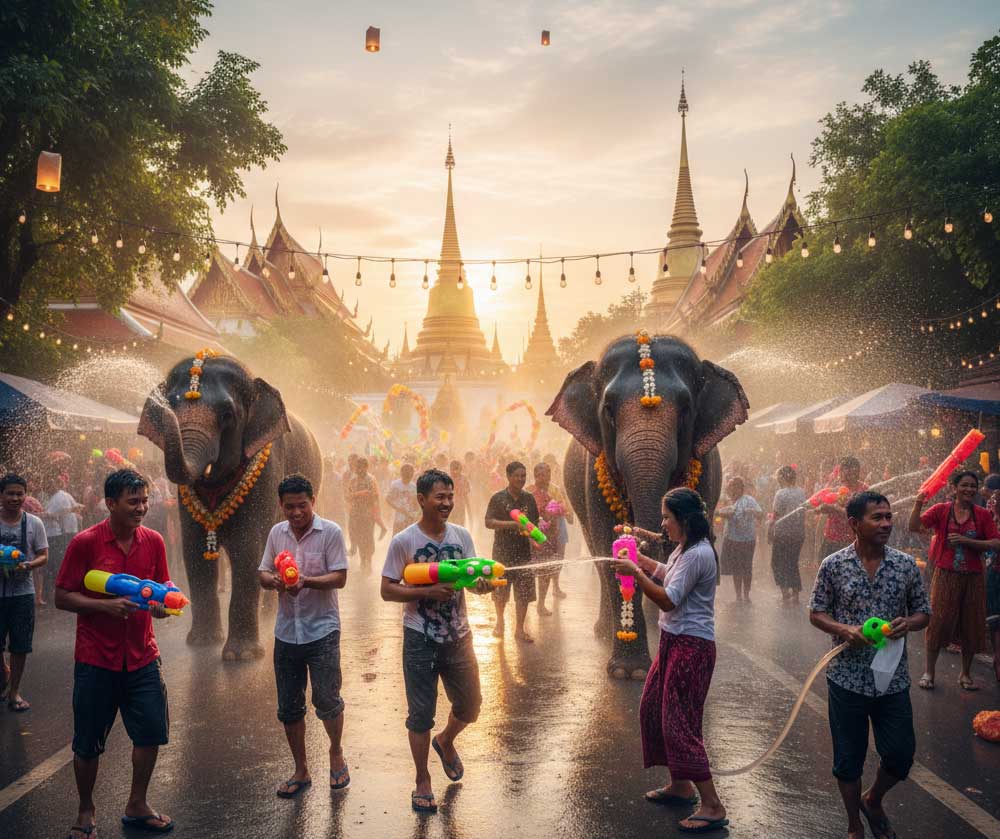
Songkran for Young Adults: The Ultimate Water Battlegrounds
If you are in your 20s or 30s and looking for high-energy celebrations, Thailand’s major cities transform into giant “water zones” equipped with DJs, foam machines, and non-stop soaking.
Bangkok: The Epicenter
In the capital, the action is concentrated in two main areas. Khao San Road is the legendary heart of the backpacker and youth celebration. Here, the streets are packed wall-to-wall with people armed with high-powered water cannons. If you prefer a slightly more organized (but equally wet) experience, Silom Road often sees several kilometers of road closed off, where thousands of people gather under the BTS tracks to blast each other with water.
Chiang Mai: The Cultural Fortress
Many argue that Chiang Mai is the best place to experience Songkran. The Old City moat becomes the primary source of ammunition. Imagine thousands of people lining the canal, dipping buckets into the water and drenching anyone passing by in a tuk-tuk or on a motorbike.
A Guide for Families: Making Songkran Safe and Fun
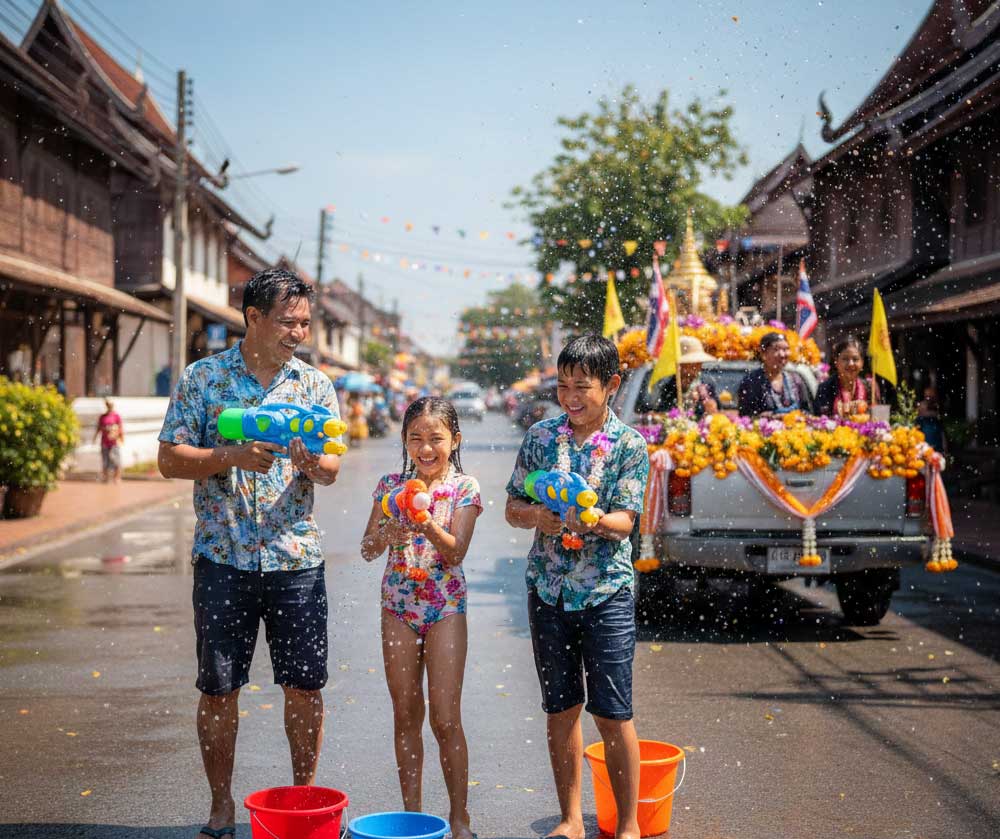
For families with children, the intensity of Khao San Road might be overwhelming. However, Songkran is fundamentally a family holiday, and there are many ways to enjoy it with little ones in a more controlled environment.
Choose Traditional Venues
Areas like the Grand Palace or Wat Pho in Bangkok offer a more serene experience. Here, children can participate in the gentle bathing of Buddha statues (Song Nam Phra) by pouring water over the statues’ bodies (not the head). This is a wonderful way to teach children about Thai values of respect and merit-making.
Mall Celebrations
Large shopping complexes like CentralWorld or ICONSIAM often host “dry” Songkran festivals or designated family zones. These areas provide the fun of water play without the chaotic crowds of the street parties.
Safety First for Kids
Eye Protection: Invest in plastic goggles for your children. The water used in street fights isn’t always filtered, and the white powder (din sor pong) used to smear on faces can irritate the eyes.
Water Temperature: Be prepared for “ice water” surprises. Many revelers use large blocks of ice to chill their water barrels. For young children, the shock of freezing water can be distressing.
Timing: Start early and head home by mid-afternoon. The celebrations tend to get more “spirited” as the evening approaches.
If you are relocating your family to Thailand, you might find our tips for moving abroad with kids helpful for a smooth transition during the holiday season.
The Expat Survival Guide: Navigating the Local Reality
For local expats, Songkran can be a polarizing time. While the first year is full of novelty, by year five, you might just want to buy groceries without getting soaked.
The “Dry” Zone Strategy
If you need to remain dry, your only real hope is staying indoors or using the BTS/MRT. However, the walk from the station to your condo is a “danger zone.” Many expats choose this week to take a “reverse holiday” to neighboring countries or stay in high-end hotels that offer “water-free” entrances.
Protecting Your Tech
This is non-negotiable: buy a waterproof pouch for your phone and wallet. You will see these sold on every street corner for 20-50 THB. Even if you aren’t participating, a “drive-by” splashing from a passing pickup truck is almost guaranteed.
Respect the Rules
While it feels like lawlessness, there are social cues to follow. Do not splash monks, the elderly, or people clearly going to work with laptops. Also, using “ice water” is technically discouraged in many areas for safety reasons, though still common.
Regional Variations: Where to Go?
Songkran isn’t celebrated the same way everywhere. Depending on your preference, you might want to head to different regions:
Phuket & Pattaya: These beach destinations focus on beach parties and live music. In Pattaya, the celebration often culminates in “Wan Lai” on April 19th, extending the party long after the rest of the country has dried off.
Ayutthaya: For a truly unique experience, you can see elephants participating in the water fights, using their trunks to spray tourists and locals alike.
The South: In places like Samui or Krabi, the celebrations are often shorter (sometimes just one day), making it a good escape for those who prefer a “Songkran Lite” experience.
For those looking to stay longer in the kingdom, the new Thailand DTV Visa 2025 offers a great opportunity for digital nomads to experience festivals like Songkran year after year.
Practical Tips for Everyone
Transport and Logistics
Songkran is the “Seven Dangerous Days” on Thai roads due to the massive migration of people returning to their home provinces. If you plan to travel, book your flights or trains months in advance. Avoid long-distance motorcycle travel during this period.
Health and Hygiene
With so much water being thrown around, “Songkran Pink Eye” and ear infections are common post-festival complaints. Ensure you dry your ears properly and wash your face with clean water after a day in the streets. According to feelfreetravel.com blog travel, staying hydrated is also key as the April heat can lead to heatstroke despite the water.
What to Wear
Wear clothes that dry quickly. Avoid white t-shirts (which become transparent when wet) and heavy denim. A Hawaiian shirt is the unofficial “uniform” of Songkran—bright, floral, and festive! For more professional advice on navigating local norms, check out the Thailand Insider Experience Guide.
Making the Most of the Experience
Songkran is more than just a water fight; it is a beautiful reflection of the Thai spirit—Sanuk (fun), Nam Jai (generosity), and respect for tradition. Even if you end up drenched on your way to a business meeting, remember that the water is a blessing, a way to wash away the old and welcome the new with a clean slate.
“Managing international assignments in Thailand requires much more than logistics: it demands a clear understanding of cultural differences and the human realities behind every move. I hope this guide helps you navigate your first or tenth Songkran with ease.” — Luca Mencarelli, Country Manager – Asia Relocation Thailand.

Luca Mencarelli
Country Manager – Asia Relocation Thailand
Editorial Director – Thailand
Luca Mencarelli is Country Manager of Asia Relocation Thailand and Editorial Director for Thailand.
He has extensive experience in international relocation, moving operations, and cross-border logistics across Southeast Asia.
He directly oversees:
- International relocation services in Thailand
- International moving operations to and from Thailand
- Local operational teams and service delivery
- Content validation related to relocation, moving, and immigration
His expertise is based on hands-on operational experience managing complex relocation assignments in regulated and evolving environments.
All content related to Thailand on Asia-Relocation.com is reviewed or validated under his supervision to ensure:
- Accuracy of local regulatory information
- Alignment with real operational capabilities
- Relevance for corporate and individual relocation needs
Other Blogs by Asia Relocation Thailand