Moving to Cebu: Costs, Language and Island Life
The country's second city is not a smaller version of the capital. It is cheaper, slower, closer to the sea — and it speaks a different language at home.

Most people who end up moving to Cebu considered the capital first and changed their minds for one of three reasons: the cost, the commute, or the sea. All three are real. What the enthusiasm tends to skip is that Cebu is a genuine second city — a business centre with its own economy, its own dialect and its own way of doing things — and not a beach resort with offices attached. This guide covers what actually changes when you choose it.
On this page
01Not a smaller capital
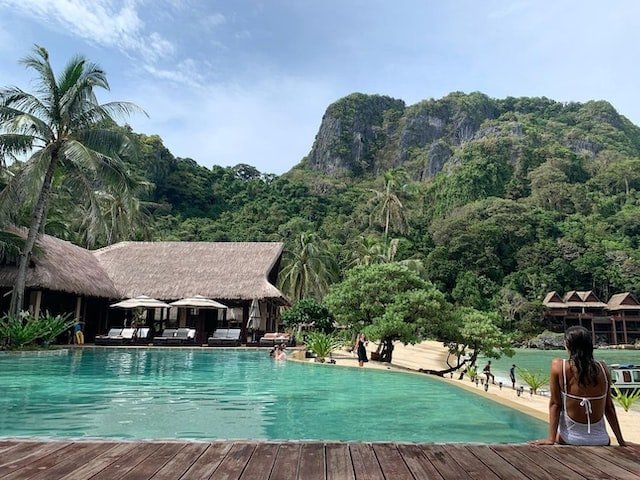
Three differences matter from the first week. The city is compact enough to cross, so the commute that dominates life in the capital simply is not the organising problem here. The sea is not a weekend destination but a twenty-minute fact, which changes what an ordinary Saturday looks like. And the city runs on its own language at home and in the market, even though every office and every form works in English.
What you give up is depth of choice. Fewer international schools, a thinner specialist medical market, a smaller pool of senior roles, and a shorter list of direct international flights. None of that is disqualifying — it is a trade, and for a household that does not need the deepest version of any of those markets, it is a good one.
02What a month costs
The figures below come from our own survey of the city and were last reviewed in 2025. Treat them as orders of magnitude and as ratios between categories rather than as today's prices — rents in particular have moved since.
| Item | Order of magnitude | What shifts it |
|---|---|---|
| One-bedroom, city centre | 30,000–50,000 pesos a month | Building age, amenities, and how central “central” is |
| One-bedroom, outer districts | Noticeably less | Value The trade is a commute, though a modest one by capital standards |
| Public transport | Around 8 pesos a trip | Jeepneys and buses; taxis and ride-hailing cost multiples of this |
| Local meal | 100–200 pesos | Street food and local restaurants. Western dining costs several times more |
The pattern is the one that surprises new arrivals: housing dominates the budget and everything else is comparatively cheap, so where you live decides your cost of living far more than how you live does. Entertainment is where budgets quietly leak — the bars and clubs are inexpensive individually and frequent collectively, while the parks, beaches and hikes that make the island worth choosing cost almost nothing.
03Finding somewhere to live
The market runs on condominiums in the centre and houses further out, and it is smaller and more personal than the capital's — which cuts both ways. Good units circulate by word of mouth before they are ever listed, and unverified listings and foreigner pricing both exist.
Four rules cover it. Rent before you buy, for at least a year, and preferably in a different district from the one you are sure about. Visit at your commuting hour, because even a compact city has its congested corridors. Verify who owns the unit before a deposit moves. And read what the association dues cover — water, waste, gym, parking — since the apparently cheaper flat with unbundled extras is a recurring trap. Our property search service in the Philippines does exactly this work in Cebu as well as the capital, which is worth knowing if you are searching from abroad.
One piece of timing advice from the original version of this guide that has aged well: schedule the move itself as soon as the lease is signed, not once you have arrived. Movers, lifts and building clearances are all easier to obtain with three weeks of notice than with three days.
04The language nobody warns you about
English is an official language and it works everywhere — offices, banks, hospitals, contracts, government forms. You will never be stuck. But the language of daily life in Cebu is Cebuano, also called Bisaya, and it is not Tagalog. Newcomers who arrive with a phrasebook from the capital discover this in their first week at the market.
You do not need it. But a hundred words of it changes the texture of ordinary interactions in a way that is difficult to overstate: prices soften, conversations open, and the distance between resident and visitor closes faster than any other single effort you can make. Courses aimed at expatriates exist, including flexible online formats, and language exchanges do the rest.
Start with the market, not the classroom
The twenty phrases that get used daily — greetings, numbers, “how much”, “too expensive”, “thank you” — are worth more in the first month than a term of grammar. Learn them from a neighbour or a vendor, and the formal study becomes far easier afterwards because you already have an ear for it.
05Community, and how to find one
Cebu has a large and genuinely mixed expatriate population, and finding it is easy: online groups and forums, expatriate events, sports clubs, volunteering, language exchanges. The more useful advice is to not stop there. The Filipino emphasis on family and neighbourhood means local community is available to a foreigner who shows up more than once — a club, a parish, a regular market stall, a running group.
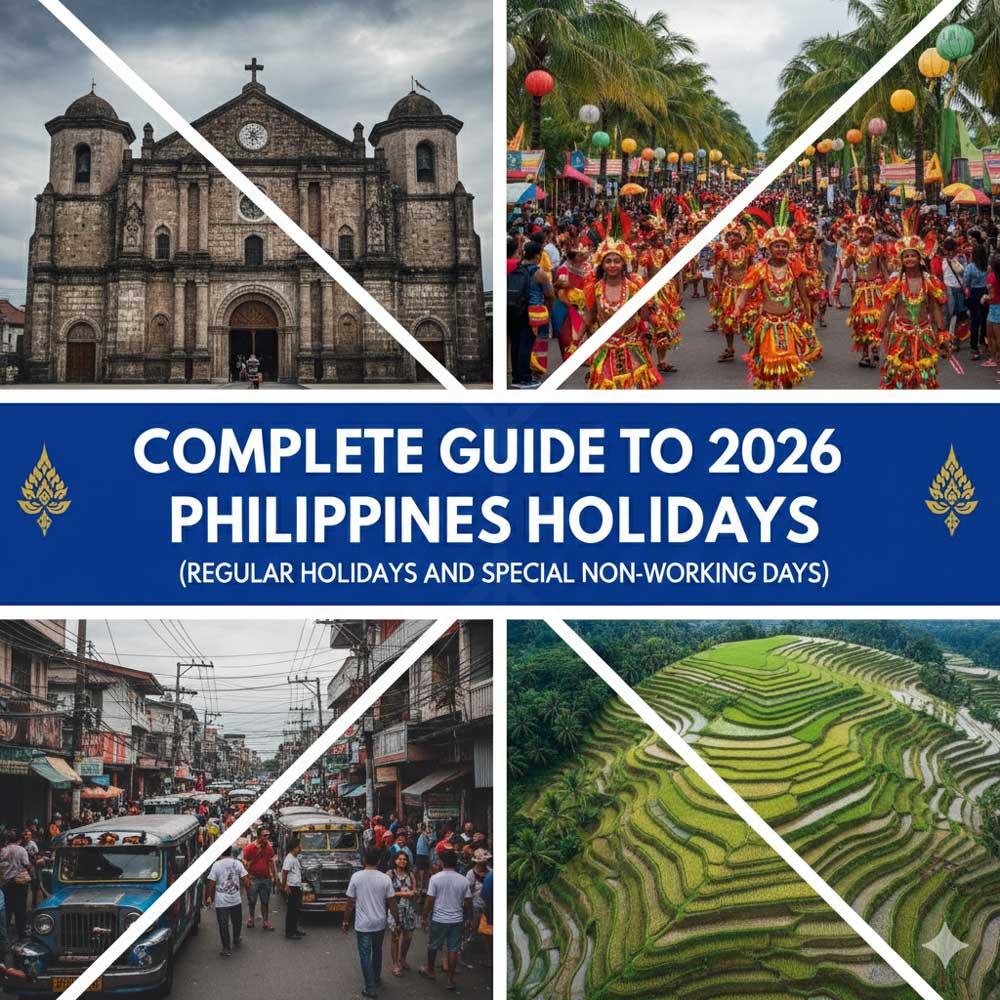
The city also gives you the single best cultural entry point in the country. Sinulog, held on the third Sunday of January, is the largest festival in the Philippines and it happens here: a devotional parade to the Santo Niño that takes over the whole city, at once solemn and euphoric. Living in Cebu means never having to travel for it — and it is the anchor of a calendar covered in our guide to the country's major festivals.
One thing to hold in mind while you settle: the city carries visible economic contrast, with a thriving business and tourism economy alongside real poverty. Being aware of that, and unshowy about it, is part of being a good resident here rather than a comfortable visitor.

06The adjustment, honestly
Culture shock arrives here as it does anywhere, usually a couple of months in and usually about small things: the pace, the indirectness, the bureaucracy, the rain. Expecting it is most of the cure. The rest is having somebody to say it to — other expatriates, local friends, and professional support if it goes deeper than a bad fortnight.
The households that settle best treat the first three months as a learning period rather than a performance: they ask, they get things wrong, they accept invitations, and they resist comparing everything with the country they left. Those who struggle are usually the ones who moved for the beaches and discovered they had also moved to a working city with traffic, paperwork and a rainy season.
If you would rather not assemble all of it alone — the housing, the schools, the shipment, the settling-in — our relocation team in the Philippines covers Cebu as well as the capital, and has done since 2011.
07Common questions
Is Cebu cheaper than the capital?
Generally yes, and most of the difference is in housing. Our last survey put a central one-bedroom in the region of 30,000 to 50,000 pesos a month, with outer districts noticeably below that. Food, transport and everyday services are inexpensive in both cities; it is rent that separates them.
Do I need to speak Cebuano?
No. English is an official language and works in every office, bank, hospital and contract. But daily life here runs in Cebuano, also called Bisaya, which is not Tagalog — and a hundred words of it changes ordinary interactions more than any other effort you can make in your first months.
Is Cebu a good place for families?
For many households, yes: shorter commutes, easy access to the sea, a calmer pace and lower costs. The constraint is choice — fewer international schools and a thinner specialist medical market than the capital. Check both against your family's actual requirements before deciding.
How do I find an apartment in Cebu from abroad?
Carefully. The market is smaller and more personal than the capital's, good units circulate before they are listed, and unverified listings and foreigner pricing both exist. Rent rather than buy for the first year, verify who owns the unit before paying a deposit, and have someone view the building in person.
What is Sinulog?
The largest festival in the Philippines, held in Cebu City on the third Sunday of January in honour of the Santo Niño. It combines a grand parade, street dancing and religious processions, and it fills the city completely — book accommodation months ahead if you have visitors coming for it.
How long does it take to settle in Cebu?
Expect a comfortable first month, a harder second or third as the small frictions accumulate, and a settled outlook by around six months. Households that treat the early period as a learning phase — asking, joining things, accepting invitations — get through it noticeably faster.
Considering Cebu over the capital?
Tell us what would bring you here, who is coming and roughly when. We will come back with the districts that fit, what the housing market really looks like this quarter, and where Cebu is genuinely better and where it is not. Talk to our Philippines team →