
Relocation services in the Philippines for expats and companies
Arriving in the Philippines is rarely one decision. It is a district, a school year, a lease signed in a sequence most newcomers have never seen, and a language map that changes between islands. We have worked here since 2011, and one team handles the whole of it.
The Philippines is not one destination, and that is the first thing worth saying plainly. The capital has three separate central business districts rather than one downtown — Makati, Bonifacio Global City and Ortigas — and the one you are posted to decides the commute, the rent and, for a family, the school run. Move south to Cebu and the everyday language changes with the island. Move north to Clark and the housing market stops behaving like the city one at all. A plan built for the wrong one of those is not slightly wrong; it is a year of daily friction.
Asia Relocation Philippines has worked in this country since 2011. It is where the company started, and it is still the market where our destination services are most complete: seven of the eight services below have their own team and their own page. Length of service is not a boast here, it is the reason we can tell you which building administrators answer, which listings are stale, and which shortlist is worth your two days on the ground.
We work with four kinds of arrival and they need different things first. Families choose the home around the school and the traffic, in that order. Career movers need to be within reach of the office and to lose as few evenings as possible to setup. HR and global mobility teams need the policy respected, the scope approved before it is committed, and progress reported on a schedule. Diplomatic, NGO and international-organisation staff arrive on fixed terms and fixed budgets that leave little room to improvise. The scope is written for whichever of the four you are.
Relocation rarely arrives on its own. A lease commits you to a date, and a status has to exist behind it. Our visa & immigration and moving teams sit inside this same country office, so the three timelines are planned together rather than reconciled after one of them has already slipped. If your programme spans more than one country, our regional relocation overview is the wider view.
Eight destination services, from the shortlist to the handover
Take the full package or only the pieces you need. Each is scoped and priced before it starts, and each is run by a consultant who lives here rather than by a coordinator briefing one from abroad.

Home Search
In the Philippines a Letter of Intent goes to the owner before any lease is drafted, and what it concedes is hard to claw back later. We assess the requirement, shortlist against it, view with you, then put your terms into that letter and negotiate from there.
Learn more →
Temporary Housing
Which business district you report to decides where a bridging address makes sense, and the Philippine capital has three of them that are nothing like interchangeable at eight in the morning. Serviced residences and extended hotel stays, arranged while the permanent home is found.
Learn more →
Office Search
Where you put the workspace decides where your staff can afford to live, so we run the two searches against each other instead of one after the other. Serviced floors, co-working or a conventional lease, across the capital's three business districts.
Learn more →
School Search
The school comes first in the Philippines, because the one your child gets into decides which districts are liveable on a weekday morning. We compare the international schools honestly, weigh each against the commute it commits you to, and carry the application through to enrolment.
Learn more →
City Orientation
A day on the ground before the decisions harden: how the traffic behaves between home, office and school at the hours you will actually travel, plus banking, clinics and the errands of an ordinary week.
Learn more →
Cross-Cultural Training
English carries most of the working day in the Philippines, which is why the misreadings tend to sit somewhere other than the words. The briefings cover workplace hierarchy, how disagreement is voiced, and what politeness is protecting — for the whole household, not only for the person with the contract.
Learn more →
Language Training
The language changes with the island: Filipino and Tagalog in the capital, Cebuano further south, and it is the second that catches people out. We match the trainer to where you have been posted, at home, at the office or online.
Learn more →
Car Leasing
Distances in the Philippines are measured in hours rather than kilometres, and most households need to be driving long before they are ready to commit to a purchase. Leasing covers the servicing and the hand-back at the end; ask us to scope it with the rest.
Who we move, and what each of them needs first
The service list is the same for everybody. The order in which it is delivered is not, and getting that order wrong is what turns a three-week settling-in into a three-month one.
Families
The school decides the district, the district decides the commute, and only then does the shortlist mean anything. We start from the year groups you need, not from the properties available, and we run cross-cultural briefings for the whole household — the adjustments that catch families out are rarely the ones anyone prepared for.
Career movers and accompanying partners
An individual assignee usually has a start date before a home, and traffic here punishes a wrong choice of district daily. We keep the search inside a realistic travel time and put the setup into working hours. Where a partner comes too, their language training and orientation are scoped from the start rather than added later.
HR and global mobility teams
You need the policy applied, not interpreted. We work to your scope, flag anything that falls outside it before it is committed, and report progress at the interval you set. For a first local entity we can run the office search alongside the household moves, so the team and the workspace land in the same month.
Diplomatic, NGO and international organisations
Fixed terms, fixed budgets, documented spending and often a rotation date that will not move. We work to a written scope with the costs itemised, and we say early where a requirement is going to be difficult to meet at the stated budget rather than discovering it at contract stage.
The capital first — and the three other markets assignments actually go to
The consultants at Asia Relocation Philippines live here, which is why the advice is about a building rather than about a country. Relocation services, home search and settling-in support run across four markets, and they do not behave the same way. This is the part of the plan that is worth an hour of your time before anything is booked.
Metro Manila
Most corporate assignments land here, and the capital is unusual in having three central business districts instead of one: Makati, Bonifacio Global City and Ortigas. They are close on a map and far apart at eight in the morning. Which one your office sits in narrows the housing search more than budget does, and it is the first question we ask.
Makati
The densest concentration of long-standing expatriate households in the country, and the market where an arriving family has the widest choice of serviced apartments while the permanent home is found. Settling-in support in Makati is mostly about narrowing that choice honestly — a shorter shortlist you can act on beats a long one you cannot.
Cebu
Relocation services in Cebu are a different job, not a smaller version of the capital. The business park has its own leasing practices, schooling support is arranged locally, and the everyday language is Cebuano rather than Tagalog — which is exactly why we teach it. Households already planning the island move usually underestimate that last point.
Clark
North of the capital, and the market where an arriving household is least likely to find a ready-made expatriate network waiting. Home search, city orientation and settling-in support in Clark run exactly as they do in the capital; what changes is that far more of the groundwork falls to us, because far less of it is published. We list Clark because we work there, not to fill in a map.
Resident since 2011, accountable, and priced before we start
The country we started in
Asia Relocation has operated here since 2011. This office is not an outpost of a method designed somewhere else — it is where the method was built, and it remains our most complete destination-services team.
One coordinator, end to end
The same person from the first briefing to the end of the settling-in period. No handovers between departments, and no repeating your household's circumstances to somebody new each time a service starts.
English, French and Filipino
Our consultants work in all three. It matters at the point where a lease is negotiated and a clause has to mean the same thing to a landlord and to you — which is not the point at which anyone wants to be relying on a translation app.
Fixed-scope pricing
You approve the services and the cost before anything is viewed or booked. Nothing is billed by the open-ended hour, and where a service is likely to need a second round we say so in the proposal rather than in an invoice.
Aftercare once you are in
A settling-in window covering utility accounts, building rules, registration pointers and the questions that only surface once the household is living in the property rather than viewing it.
Realistic answers, including no
Where a timeline cannot be met or a budget will not reach the district you have in mind, we say it at the scoping stage. Field experience is worth having mainly because it lets you see a problem before it arrives.
From the first briefing to the end of the settling-in period
Needs assessment
Arrival date, household, budget, where you will report to, the school years you need and the constraints that are not negotiable. We come back with what we would do first and why — and, where two orders are defensible, with the trade-off stated rather than hidden.
Scoped proposal
A written scope, service by service, with our fee and with anything that depends on a third party named as such. You approve it before a single viewing is arranged. If your programme has a policy, the scope is written against the policy.
Shortlist, viewings and the Letter of Intent
We assemble the shortlist, accompany every viewing, and give you an outside opinion on each property rather than a sales pitch. When you choose, we draft the Letter of Intent with you, stay in the negotiation, and check the final contract back against what was agreed.
Move-in day, then the settling-in period
We supervise the handover: the condition of the unit, the utility connections, the paperwork completed as the Letter of Intent set out. Then the coordinator stays reachable through the weeks that follow, which is when the questions that actually matter tend to arrive.
Philippines relocation FAQ
We are being posted outside the capital. Does that change what you can do?
What is a Letter of Intent, and why does it come before the lease?
How much can be done before we land, and what has to wait until we arrive?
Who keeps the housing timeline and the immigration timeline in step?
Our team will be working in English. Where does Filipino or Cebuano actually matter?
Our children would be arriving mid-year. What are the realistic schooling options?
Do you work through our HR policy, or directly with the family?
How long does your support last once we have the keys?
Relocation guides for the Philippines

Holy Week in the Philippines: Guide for Expats and Families
Read →
5 Reasons Retired Couples Should Hire a Relocation Expert Before Moving Abroad
Read →
Hidden Relocation Costs in Southeast Asia: VN/TH/PH
Read →
Best Expat Destinations in 2026: A Guide for Global Citizens
Read →
Expat Child Syndrome: Complete Guide for Families in Southeast Asia
Read →
🇵🇭 2026 Philippines Holidays Guide
Read →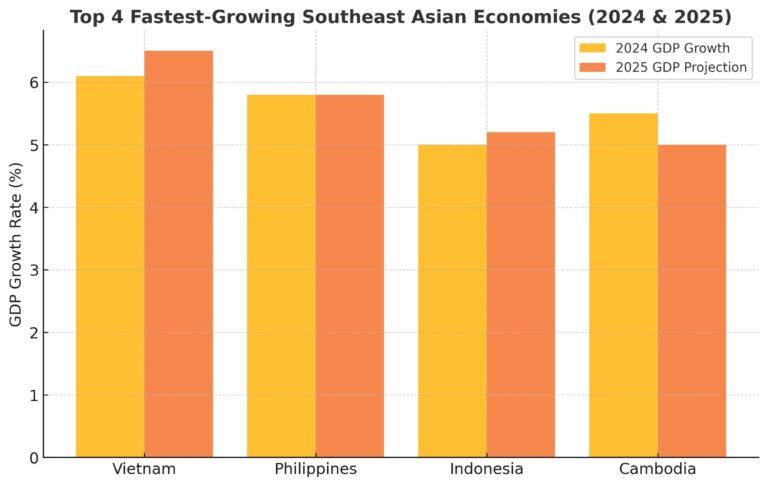
Fastest-Growing Economies in Southeast Asia
Read →
🇵🇭 Cultural Festivals in the Philippines
Read →Tell us where you are posted, and we will tell you what to do first.
A family, an assignee, a team or a whole programme — send us the arrival date, the district your office sits in, and what the household needs. We come back with a written scope, a fixed price, and an honest view of what is realistic in the time you have.
Get your relocation quote →