
Storage in the Philippines, on the island your things will end up on
For households arriving before they have a home, and for those leaving without taking everything. Asia Relocation Philippines has held belongings here since 2011, in secure warehouses in Manila and Cebu, with air-conditioned units reaching Davao.
In most countries, choosing a storage provider is a question of price and security. In an archipelago there is a third question that outweighs both: which city. Goods held on the wrong island are not a van ride away from their destination — they are a sea leg, a sailing schedule and a second round of handling away. That is why the first thing we ask is not how much you have but where it is going, and why a rate that looks competitive can turn out to be the expensive option.
Asia Relocation Philippines is where this company began, in 2011, and storage here is run from our own warehouses rather than sublet to a third party. Security runs around the clock, with surveillance cameras and burglar alarms, and the sites sit in flood-free zones — a specification that means something concrete in this country and that is worth putting to every provider you compare.
The climate does the rest of the arguing. Sustained heat and humidity are what damage stored belongings, and they do it slowly enough that nobody notices until the boxes are opened: mould on leather, joints moving in wooden furniture, paper cockling, contacts corroding inside electronics. So we ask what is going in before recommending a unit. An air-conditioned unit is not a premium tier for a camera collection or a piano; it is the only sensible answer. For a set of suitcases and a garden table it is money spent on nothing, and we will say that too.
Storage rarely stands alone either. Things arrive because somebody collected them and leave because somebody delivered them. Our Philippines moving crews handle both ends and our relocation team knows when a property will actually be ready — which is what lets us quote a hold with a real end date instead of an open-ended one.
Three options, and the one question that picks between them
Ask what the goods will do next. Things that will stay put, things that will travel by sea, and things you will keep coming back for are three different problems, and they have three different answers here.
Air-Conditioned Storage
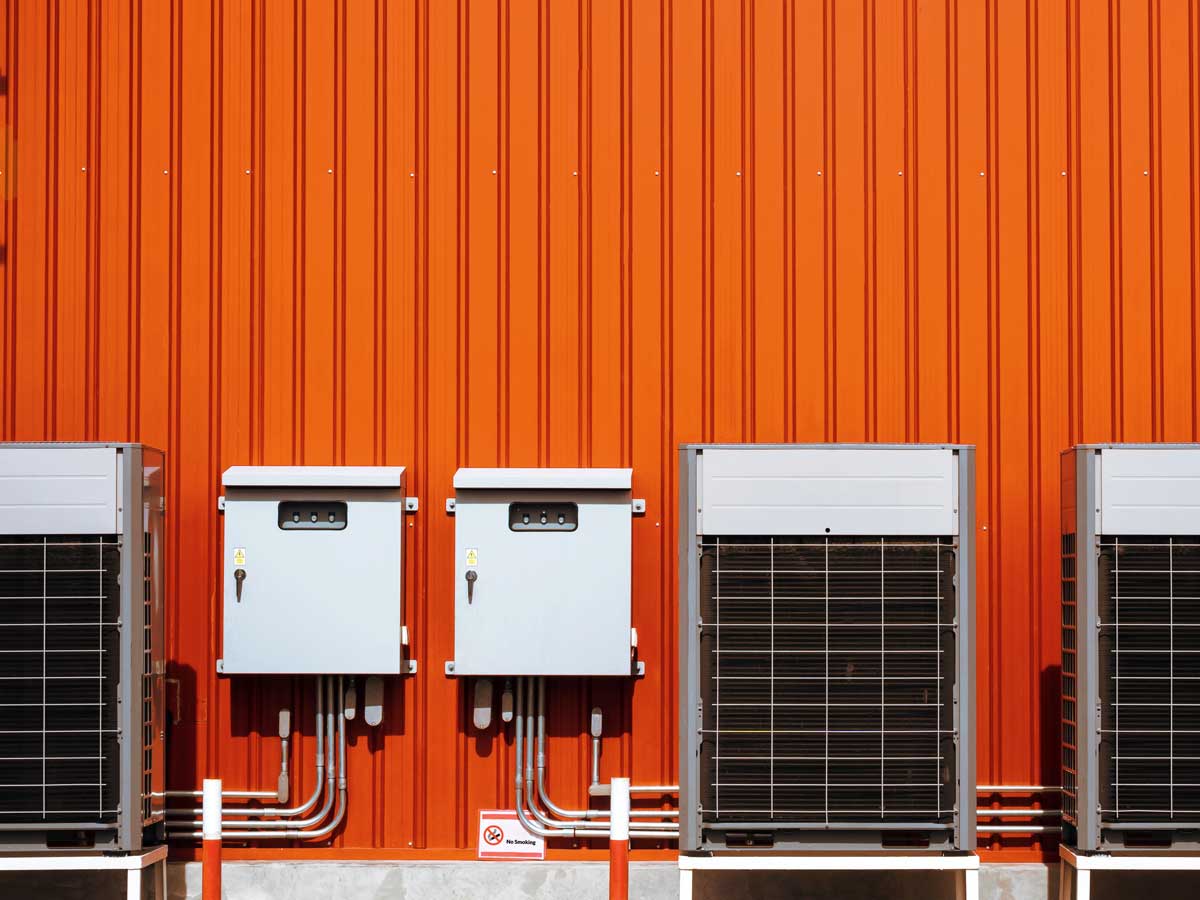
Temperature and humidity held steady, which is what actually preserves electronics, artwork, antiques and anything leather or wooden. It is the option with the widest reach: available in all three cities we serve, Davao included, so the goods can wait near where they are going.
Learn more →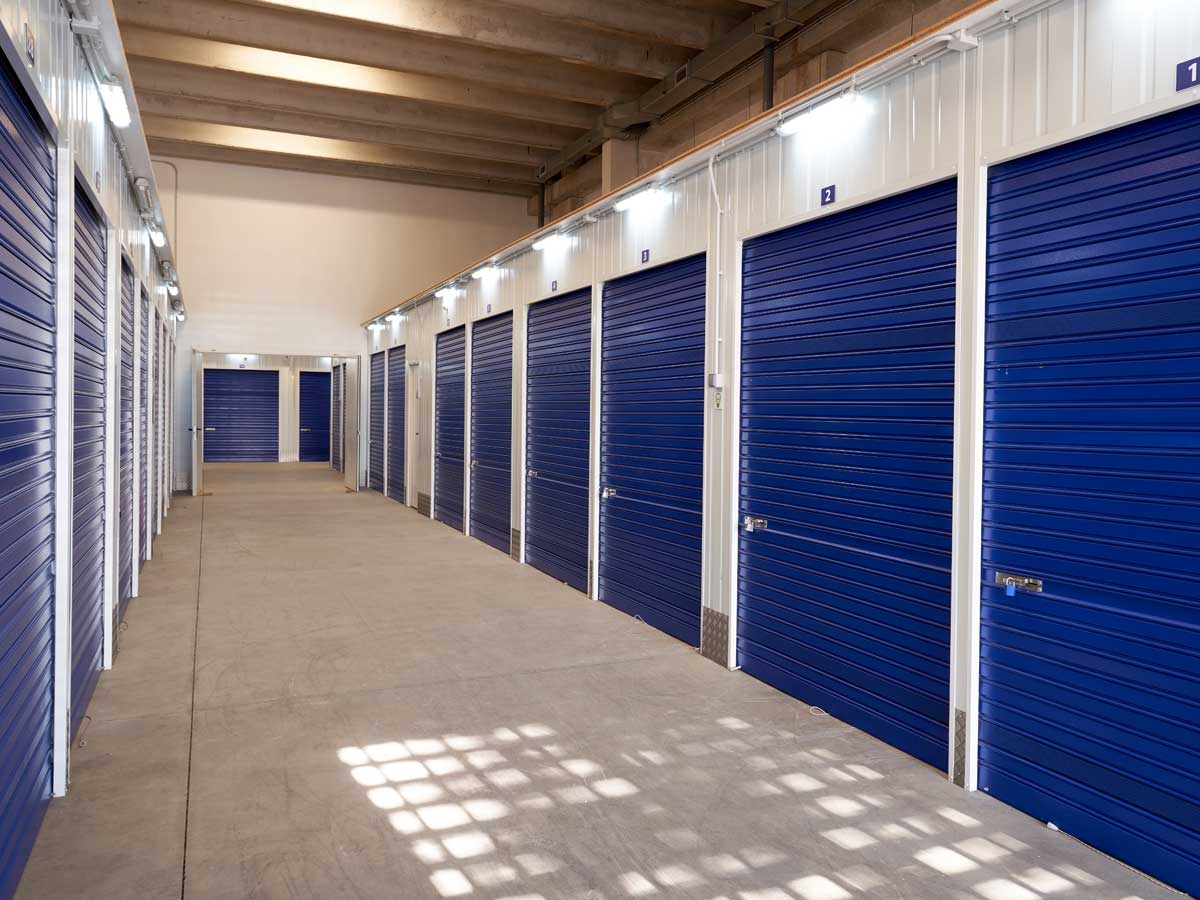
Reinforced Crates
Purpose-built wooden cases, and the right answer whenever the goods will later cross water — a crate survives being craned, stacked and re-handled in a way a stack of cartons does not. Built and held in Manila and in Cebu.
Learn more →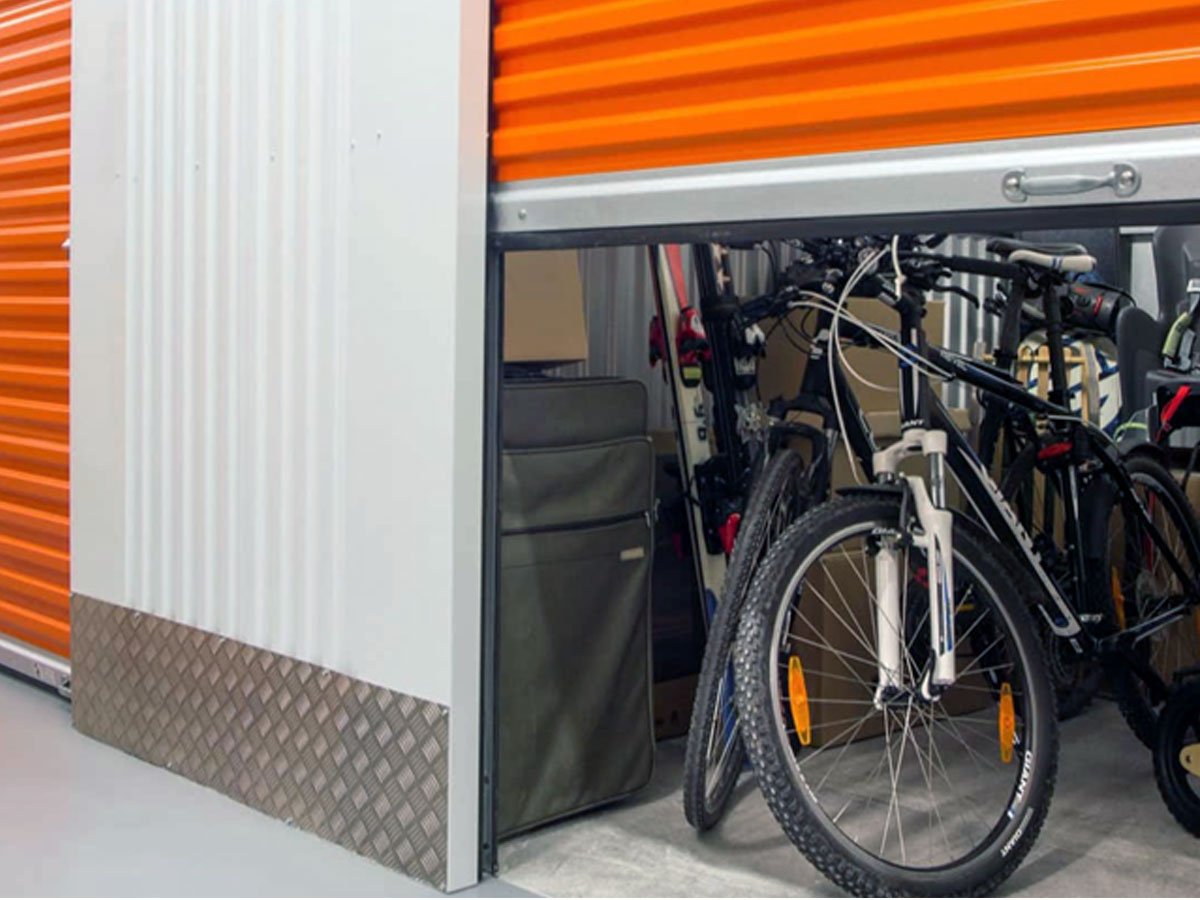
Self Storage
A clean, lit, secure unit you enter yourself. Worth choosing when you will be returning to it — and worth siting near the business district you actually work in, because a unit on the far side of the capital at five in the afternoon is a unit you stop visiting.
Learn more →Four reasons things end up here, and two of them are dates that will not meet
Nobody buys storage for its own sake. They buy it because a departure and an arrival refuse to line up, and which end is misaligned changes the right answer entirely.
Landed, still house-hunting
The shipment cleared, the family is in a hotel, and the lease that looked certain has slipped a fortnight. Holding the goods for those weeks costs a fraction of a serviced apartment big enough to receive them, and it removes the worst pressure in any arrival: signing an unsuitable lease because the container is waiting. If your search is running across more than one business district, storing centrally keeps every option open.
Leaving, and coming back
A contract that ends with a return clause, a family going home for a school year, a posting that moves you somewhere the furniture cannot follow. Shipping a household twice costs more than holding it once, and much of what a home here accumulates is worth keeping without being worth a container. Everything is inventoried on the way in, which after a year or two away is what makes the return a delivery rather than an argument.
Moving between islands
An internal transfer here is a shipment, and shipments wait: for a sailing, for a berth, occasionally for the weather. Storage is what absorbs that wait at whichever end suits you, and choosing the end is the decision worth thinking about. Goods crated before the crossing and held on arrival tend to come through better than goods that sit twice in ordinary cartons.
Companies between two addresses
Archives that must be retained but cannot occupy a floor at capital rents, stock between premises, event and exhibition material used twice a year, workstations parked while a lease is renegotiated. Business storage is priced like any other — on what is held — but the inventory carries more weight, because sooner or later somebody has to produce one specific box at short notice.
Two warehouse cities, a third with units, and where the map stops
A storage quote is a promise about a building. Here are the buildings, what protects them, and the honest limit of what we cover.
Metro Manila
Where most shipments enter and leave the country, which makes it the default place to hold anything whose destination is not yet fixed. Storing at the point of entry keeps the options open: whatever you decide later, the goods have not already travelled in the wrong direction. It is also where retrieval is quickest, provided the unit is sited on the same side of the city as you are.
Cebu
A full second warehouse rather than an agent's shelf, and the reason a household bound for the Visayas does not have to be held in the capital and then shipped down. That saves an entire transport leg, its handling and its risk. Crating is available here as well as in Manila, so goods destined to travel again can be prepared where they are stored.
Davao
Served with air-conditioned units, which covers the case that matters most in the south: goods that need a stable climate while a household settles. Crating is not built here — it is a Manila and Cebu capability — so if your contents need cases, that decides where they should sit. We say it now rather than at the survey, because it changes the collection plan.
What the buildings carry
Round-the-clock security, surveillance cameras, burglar alarms, and sites chosen in flood-free zones. The last of those is worth a question to every provider you compare here, not only to us: rates vary by a little, and what happens to a ground floor in a bad week varies by a lot. The written inventory does the other half of the job — it protects against the item nobody can find.
Our warehouses, our crews, our list
Since 2011, and not subcontracted
This is the country the company started in. The warehouses are ours rather than space rented from somebody else, which means the people who quoted the hold are the people responsible for the building your things sit in.
One list, from carton to delivery
The inventory written when the goods were packed is the one used to store them and the one checked on the way out. Store with one company and be packed by another and there are two records — which in practice means neither is trusted.
Two cities, so goods wait near home
Holding in the city of delivery rather than the city of departure removes a transport leg and everything that can happen during it. Providers with one warehouse cannot offer that, and the difference lands on the final invoice rather than the quoted rate.
Surveyed, then priced
Volume estimated over the phone is how a storage bill drifts above its quote. We measure what is going in, quote on that, and it holds unless the contents change — which also lets us tell you when you need less space than you feared.
Durations that move both ways
Plans change more often than they hold. A short hold that runs long, or a year cut to five months, is handled inside the original agreement. What we ask for is notice, because crews and sailings are easy to arrange ahead and awkward on the day.
Someone to call during the silence
A hold is months of nothing happening, and that is exactly when clients start to wonder. The coordinator who arranged it is the one who answers when a single item is needed back, or when a return date moves — which on a long hold it usually does.
From the survey to the day it comes back
Survey, and the city question
A consultant sees what is going in, then asks where it is going afterwards and whether you will want access meanwhile. Those two answers settle the unit type and the city. This is also where we tell you what is not worth storing, which is not advice a provider paid by the cubic metre volunteers.
Quote, unit and duration
A written price on the volume actually held, the unit recommended for those contents, and an end date rather than an open commitment. Extension and early release are agreed in the same document, so a change of plan is a phone call and not a renegotiation.
Packing, crating and the inventory
Our crew wraps and, where crating applies, builds cases to the goods rather than forcing goods into cases. Everything is listed as it goes in, and that list is yours from day one — not a document assembled later if a question arises.
Held, watched, and left alone
Goods sit in a secured warehouse with cameras, alarms and, in a conditioned unit, a climate that ignores the season outside. Nothing is required from you during the hold, which is what you are paying for.
Out, or onward
Delivered against the same inventory when you are ready. If the next address is abroad or on another island, crated goods leave without being repacked and the storage file becomes the shipping file rather than starting over.
What clients ask before the survey
Which city should we store in?
Our things are arriving before we have found a home. What now?
We are leaving the Philippines but want to keep things here. Is that possible?
Is the crate option available everywhere you store?
What protects the buildings themselves?
Can we get to our belongings during the hold?
How does storage sit alongside a move out of the country?
How is it priced, and what if our dates change?
Storage and moving guides for the Philippines
🇵🇭 Benefits of having a Storage space in Manila
Read →
Section 13 Quota Visa Philippines: 2026 Guide
Read →
Holy Week in the Philippines: Guide for Expats and Families
Read →
5 Reasons Retired Couples Should Hire a Relocation Expert Before Moving Abroad
Read →
Best Moving Company Manila: 5-Step Guide (2026)
Read →
Hidden Relocation Costs in Southeast Asia: VN/TH/PH
Read →
Philippines SRRV 2025: Age Requirement Drops to 40
Read →
SRRV Philippines 2025
Read →Tell us what has to wait, and which island it has to wait on
A household between two leases, a home packed up for a year abroad, an office archive, or a shipment that has to pause before its next crossing. Send us the rough volume and the dates you have; we survey, recommend the city and the unit type, and quote a hold you can shorten.
Get a storage quote →