Moving to Manila
Expat Life & Relocation Guide
- Philibert CHALLAN BELVAL
- Infos reviewed 12/01/26
Beginner’s Guide to Moving to Manila as an Expat
Moving to a new country comes with excitement, questions, and a fair share of challenges. If moving to Makati or any part of Metro Manila is on your radar for work, lifestyle, or family reasons, this guide is here to help. Whether you’re in the early stages of discovery or ready to take the leap, this article walks you through the essentials of settling in the Philippine capital.
Why Manila? A Dynamic Gateway to Southeast Asia
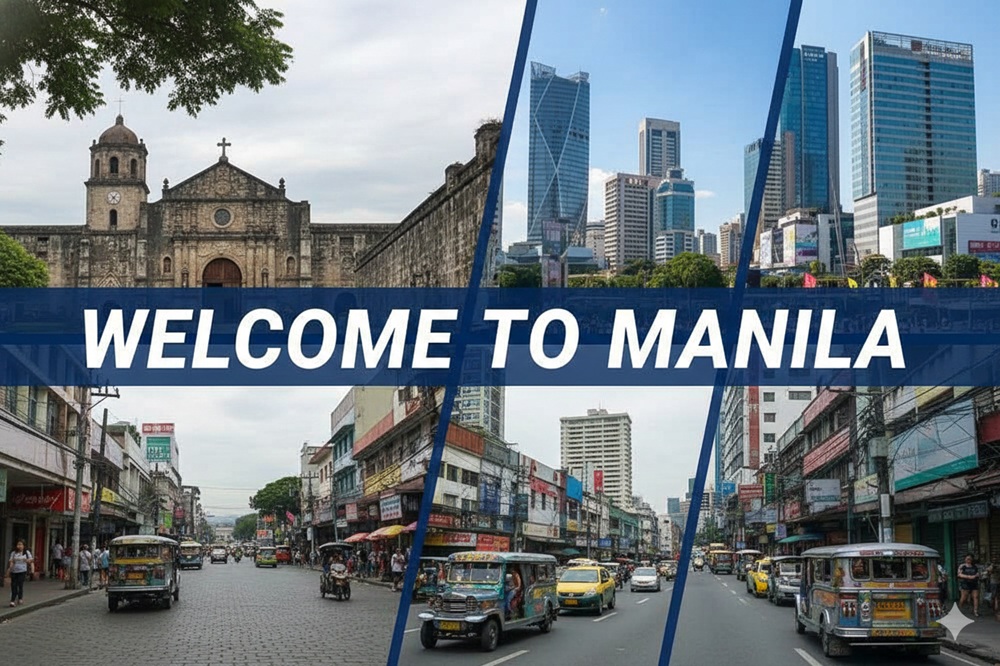
Metro Manila is more than just the country’s capital—it’s a vibrant, chaotic, and deeply human place where global business hubs meet local charm. With English widely spoken, strong expat communities, and an evolving infrastructure, Manila attracts professionals, entrepreneurs, and families alike.
Add to that a tropical climate, weekend escapes to nearby beaches, and a welcoming culture, and you’ve got a city worth considering if you’re relocating to the Philippines.
First Step: Visit Before You Move (If You Can)
If you’re still unsure about how to move to Makati as an expat, consider spending 2 to 4 weeks in Manila first. This “recon trip” allows you to get a feel for:
-
Neighborhoods that match your lifestyle
-
Commute times and traffic patterns
-
Access to schools, healthcare, or coworking spaces
-
Local customs and routines
Short-term stays are easy to arrange through serviced apartments or platforms offering flexible rentals. You’ll also find that local relocation partners can assist in making this kind of exploratory visit seamless and insightful.
Where to Live: Navigating Metro Manila’s Districts
Metro Manila is not one city but 16, and your choice of neighborhood will deeply shape your experience if you’re planning on living in the Philippines as an expat.
Makati
The traditional business heart of Manila. Great for walkability, high-end condos, dining, and nightlife. Popular among professionals and singles looking for expat housing options in Makati.
Bonifacio Global City (BGC)
Modern, clean, and highly international. BGC has international schools, coworking hubs, and a more “planned” feel. Excellent for families and young professionals considering a move to Metro Manila.
Ortigas Center
More affordable than Makati or BGC, but still very central. Ortigas is good middle ground for those working in corporate roles.
Alabang
Located in the south, Alabang offers a more suburban feel. Ideal for families who value space, gated communities, and proximity to international schools.
Quezon City
Home to major universities and a growing tech/startup scene. Offers more affordable housing, though traffic can be intense.
Tip: Always try to live close to where you’ll work or study. Manila traffic is notorious.
During a short relocation preview trip, Julie, a French designer, stayed two weeks in BGC. Between yoga studios, market hopping, and a few business meetings, she realized the area felt more like home than Paris ever did. Four months later, she was signing her first long-term lease—and hasn’t looked back since.
Cost of Living: What to Expect
Whether you’re looking into the cost of living in Makati for expats or planning a budget for your expat life in Manila, here’s a ballpark idea:| Expense Category | Estimated Monthly Cost (PHP) |
|---|---|
| 1-BR Condo (Makati/BGC) | 35,000 – 60,000 |
| Utilities + Internet | 5,000 – 8,000 |
| Transportation (Grab/MRT) | 3,000 – 6,000 |
| Groceries & Dining | 15,000 – 25,000 |
| Health Insurance | 3,000 – 10,000 |
Local Culture: What It’s Like Living Among Filipinos
Filipinos are warm, adaptable, and sociable. You’ll often be greeted with smiles, and it’s common to be invited to social gatherings even if you’ve just met someone. The pace of life may feel more relaxed, and small talk is part of daily transactions.Key Cultural Values
-
Family-centric: Many adults live with extended family.
-
Religion: Predominantly Catholic, with traditions influencing holidays and public behavior.
-
Hospitality: Guests are treated with generosity and care.
Understanding these values helps not just in daily life, but also in the workplace.
Language: English Is Widely Spoken
Tagalog (Filipino) is the national language, but English is an official language too—used in education, business, and government. Most signs, menus, and forms are bilingual, and most Filipinos are fluent in English. You’ll get by without learning Tagalog, but locals always appreciate even small efforts to speak it.
Transport & Mobility: Getting Around
Getting around Manila can be a challenge due to traffic, but you have several options:
Grab (ride-hailing app): Most convenient
LRT/MRT: Cheap but crowded at peak hours
Shuttle vans or company service: Used by many professionals
Walking or biking: Only in safe zones like BGC or Makati
Having a car is not necessary at first—observe traffic conditions before deciding.
Weekends & Free Time: Discover the City
Whether you’re living in Makati as an expat or staying in BGC, Manila offers a unique blend of history, art, and urban leisure. Here are some places to start:
Intramuros
The historic “walled city” with Spanish colonial architecture. Ideal for a walking tour.
National Museum Complex
Free entrance, quality exhibitions on Filipino art, anthropology, and natural history.
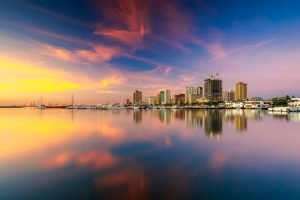
Manila Bay Sunset Cruise
Romantic and scenic—a local favorite.
Art Fairs, Cafés & Pop-Ups
Manila has a growing indie scene—watch for local events in BGC, Cubao Expo, or Poblacion.
Practical Matters: Visas, Safety & Healthcare
Visa: Most nationalities get 30 days visa-free. For longer stays, work with your employer or relocation provider to secure a 9G work visa or special resident visas.
Healthcare: Private hospitals like St. Luke’s or Makati Medical Center offer high standards. Get health insurance early.
Safety: Petty crime exists, especially in crowded areas. Stay alert, avoid flaunting valuables, and rely on trusted local contacts.
Ready to Take the Leap?
Whether you’re planning a scouting trip or packing your bags, relocating to Manila can be an enriching life experience. The city has its flaws—like traffic and bureaucracy—but it also has rhythm, generosity, and opportunity.
✨ Since 2025, The Philippines grants retirement visas starting at age 40 !
Many expats who came for work ended up staying for the lifestyle. With a bit of planning and some local support, you might just be one of them.
Chimvie Dimaculangan
+63 917 701 6127
chimvie@asia-relocation.com

Other Blogs by Asia Relocation Philippines