SRRV at Age 40: What the Philippines Just Opened Up
The retirement visa used to start at 50. It now starts at 40 — which changes who it is for entirely: the career-changer, the founder after an exit, the person who reached financial independence early.

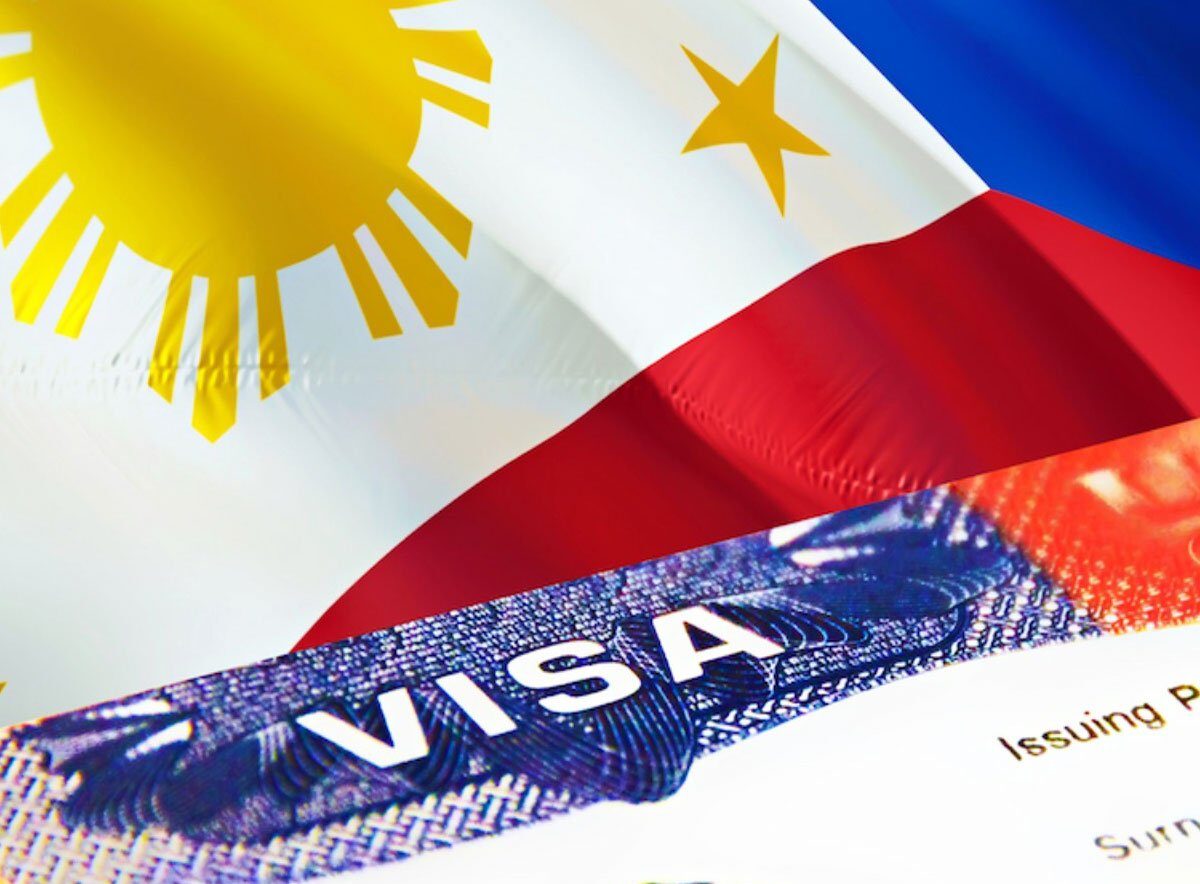
In September 2025 the Philippine Retirement Authority did something unusual for an immigration body: it made a programme easier to enter rather than harder. The Special Resident Retiree's Visa now accepts applicants from SRRV age 40, down from a floor of 50 that had stood for years. Ten years does not sound like much until you consider who lives in that decade — people who left a career early, sold a business, or reached financial independence well before the conventional date. This guide sets out what the reform changed, the three routes and what each costs, and who it genuinely suits. The full programme conditions sit on our SRRV service page.
On this page
01What the reform changed
One number moved. The Philippine Retirement Authority, which administers the programme, lowered the minimum age from 50 to 40 in September 2025. Everything else — the deposit structure, the privileges, the process — stayed where it was.
40
The new floor
Minimum age for the SRRV since September 2025, down from 50. A ten-year shift that changes the applicant, not the visa.
The logic is demographic rather than generous. Retirement has stopped meaning a single date at the end of a career: people exit early through financial planning, a business sale, or income that no longer depends on showing up. A programme with a floor of 50 was invisible to that entire group. At 40 it is not.
⚠ Administrative thresholds move, and quietly
Every figure in this guide is set administratively rather than by statute, which means it can be revised without an announcement — the age floor itself is the proof. Treat the numbers below as the shape of the programme and confirm the amounts in force on the day you file.
02What the visa actually grants
The privileges are what make this worth the deposit, and several of them are administrative relief rather than money — which is exactly what long-stay residents come to value most.
- Indefinite residence. Unlimited stay, unrestricted entry and exit. No renewal cycle to diarise.
- No annual reporting, no ACR card. Exemption from the yearly registration duties other foreign residents carry. This is the privilege holders mention first.
- No exit or re-entry permit. You travel on your own schedule rather than the Bureau's.
- Tax relief on foreign pensions and a customs duty waiver of up to USD 7,000 when you bring your household in.
- Work is possible — but through a separate permit. The SRRV is a residence status, not employment authorisation; formal employment still needs an Alien Employment Permit from the labour department.
- PhilHealth at preferential rates, which matters more each year you stay.
One point deserves emphasis because it is where expectations most often break: the deposit is a deposit, not a fee. Under the Classic route it can be redirected into an approved property investment once the visa is granted — so the money is committed rather than spent.
03The three routes, and what each costs
The programme is not one product. Which route you take depends on whether you have a pension, whether you have Philippine heritage, and in one case on what you have done with your career.
| Route | Who it is for | Deposit |
|---|---|---|
| Classic most applicants |
Open route, convertible into approved property after approval | USD 10,000 with proof of a pension of USD 800–1,000 a month USD 20,000 without a pension, + USD 15,000 per family member |
| Courtesy by standing |
Former government officials, humanitarian figures, recognised professionals | Assessed case by case |
| Courtesy Philippine heritage |
Filipino-born applicants who took another citizenship | USD 1,500 from age 50 USD 3,000 between 40 and 49 |
Two observations from running these files. The pension proof is the single biggest lever on the Classic route — USD 800 a month of documented pension income halves the deposit, so it is worth establishing before you file rather than after. And the heritage route is the cheapest entry into permanent residence anywhere in the region for those who qualify; a surprising number of applicants do not realise they are eligible.
Add USD 1,500 in processing fees and USD 360 a year in maintenance. The annual figure is small, but it is a standing obligation: lapse it and the status is at risk.
04Documents and timeline
Allow four to six weeks from a complete file to approval. The word that matters there is complete — the delays we see are almost never at the authority's end.
01
Assemble and authenticate
Current passport, a recent medical assessment, a police record check from your home country, and proof of funds or pension. Documents issued abroad need an apostille or embassy legalisation, plus an English translation where relevant.
02
Place the deposit
Through an accredited bank, in the amount matching your route. Get the certificate in the exact form the authority expects — a correct amount in the wrong document format still comes back.
03
File and attend
Submission, medical and security clearance, then the interview. Family members are included in the same file rather than filing separately.
04
Approval, then the deposit decision
Once granted, decide whether to leave the deposit in place or convert it into an approved property investment. This is a financial decision, and it does not have to be made on day one.
The apostille is where timelines slip
Every document from outside the Philippines needs authenticating in its country of origin, and that step is outside anyone's control here. Start it first, not last. A police certificate that expires while the rest of the file is assembled is the most common avoidable setback.

05Who the change is for
The reform did not widen the programme by a little. It opened it to five profiles that were structurally excluded before, and they have almost nothing in common except an age.
- The career-changer who wants to be somewhere else before 50, and does not think of it as retiring.
- The founder after an exit, converting proceeds into a way of living rather than another venture.
- The property owner who already holds Philippine assets and wants to live where they are.
- The financially independent, who reached the number decades ahead of convention and has no pension to show — which is precisely why the deposit tier matters to them.
- The diaspora returnee — Filipino-born, foreign passport, now eligible on the cheapest route of the three.
On cost of living, the honest range for a comfortable urban life — Metro Manila's business districts or Cebu — is USD 1,200 to 3,000 a month, and the spread inside that range is mostly housing and schooling. English is spoken nationwide, which removes the daily friction that makes other Southeast Asian destinations harder than they look on paper.
The visa is only one half of arriving, though, and it is the half that gets all the attention. What actually determines whether the first year works is housing, healthcare and community — the subject of our guide to retiring in the Philippines.
06Common questions
What is the minimum age for the SRRV now?
Forty. The Philippine Retirement Authority lowered the floor from 50 to 40 in September 2025. Nothing else about the programme changed at the same time — the deposit structure, the privileges and the process all remained as they were.
How much do I need to deposit?
On the Classic route, USD 10,000 if you can document a pension of USD 800 to 1,000 a month, or USD 20,000 without a pension, plus USD 15,000 for each family member. Applicants of Philippine birth who took another citizenship pay USD 1,500 from age 50 and USD 3,000 between 40 and 49.
Is the deposit lost?
No — it is a deposit held with an accredited bank, not a fee. Under the Classic route it can be redirected into an approved property investment once the visa is granted, so the capital stays yours. Separate from it, expect USD 1,500 in processing fees and USD 360 a year in maintenance.
Can I work on an SRRV?
Not on the visa alone. The SRRV grants residence, not employment authorisation. Formal employment requires a separate Alien Employment Permit from the labour department, which the visa makes possible rather than unnecessary.
How long does the application take?
Four to six weeks from a complete file. The variable is not the authority but the authentication: every document issued outside the Philippines needs an apostille or embassy legalisation first, and that step sits with your home country. Start it before anything else.
Do I still have to report to immigration every year?
No. SRRV holders are exempt from the annual reporting requirement and from the ACR card that other foreign residents carry, and they need no exit or re-entry permit to travel. For long-stay residents this administrative relief is often worth more than the tax provisions.
Our Philippines immigration team assesses which of the three routes fits before you commit a deposit — including whether a heritage claim you had not considered puts you on the cheapest one.
Want to know which route you qualify for?
Tell us your age, your pension position and whether you have Philippine family, and we will come back with the route and the deposit that apply to you. Request an SRRV assessment →