Why Are Philippine Visas Called 9g, 13a, etc.?
( Suprising legal origin of the Philippines visa names )
- By Marc Le Lay – Philippines Operations
- Infos reviewed 31/08/25
You’ve probably encountered these mysterious codes in your dealings with the Philippines: 9g visa, 13a visa… But where do these peculiar names come from? The answer might surprise you.
A Unique Naming System
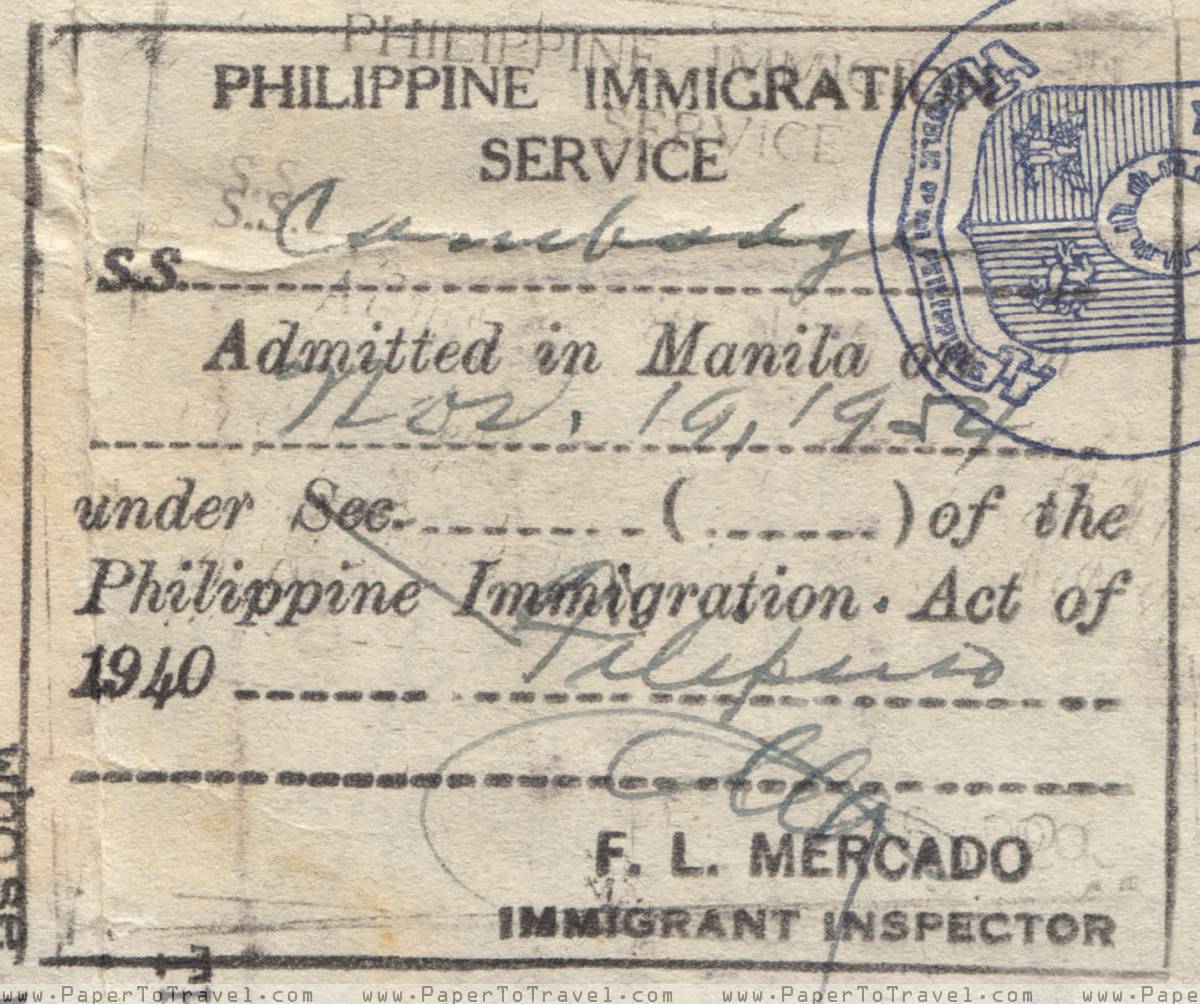
Contrary to what you might think, these names aren’t arbitrary codes invented by the administration. They come directly from a piece of legislation that’s still in force today: Commonwealth Act No. 613, better known as the Philippine Immigration Act of 1940.
Each visa name actually corresponds to the section and paragraph of this law where that visa type is defined. A naming system as direct as it is ingenious!
Section 9: Temporary Visas
Section 9 of this 1940 law defines the various categories of non-immigrants—in other words, foreigners coming to the Philippines temporarily. Each paragraph corresponds to a specific visa type:
9a – Temporary visitor for business, leisure, or medical reasons
9f – Foreign students
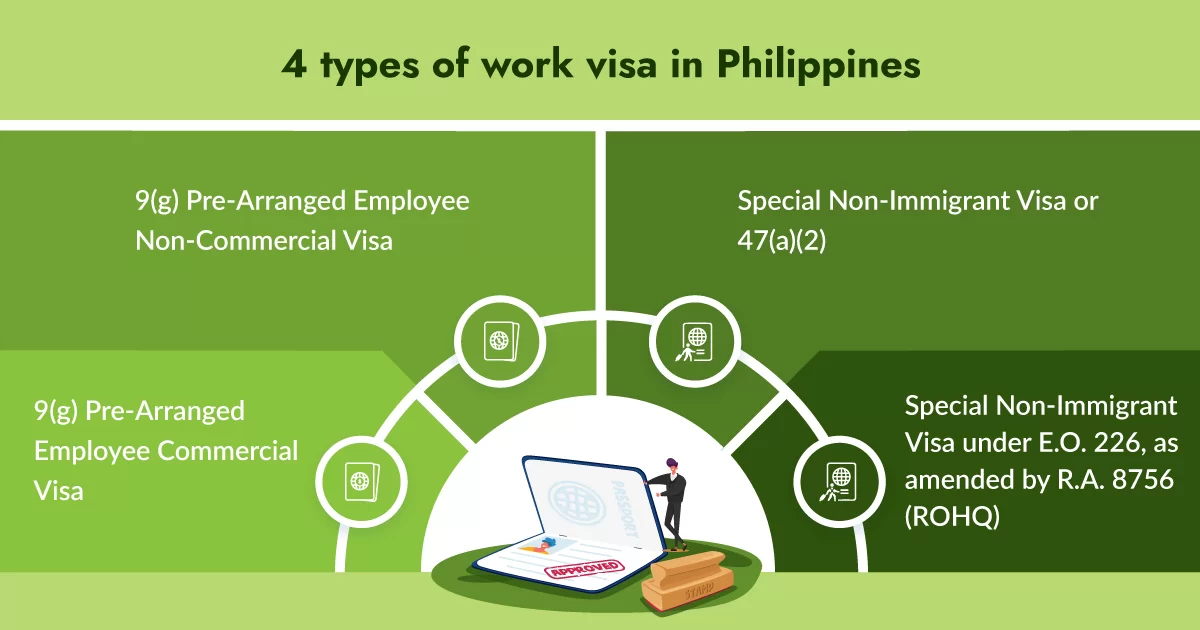
The famous “9g visa” gets its name from section 9, paragraph g of this 85-year-old law!
Section 13: Immigrant Visas
Section 13 defines immigrant visas—these are for foreigners who intend to live in the Philippines long-term. Again, the names come directly from the law:
13b – Child of a permanent resident born abroad
13d – A woman who lost Philippine citizenship by marriage
The “13a visa”? You guessed it: section 13, paragraph a!
A 1940 Law Still in Effect Today
What’s most remarkable about this story? The Philippine Immigration Act of 1940 is still fully in force today, in 2025. This law has survived colonial transitions, constitutional changes, and numerous presidential terms.
It’s a rare example of legislative stability that explains why these names from another era continue to be used in all official documents and immigration procedures.
When Legal History Shapes Daily Life
The next time you hear about a 9g or 13a visa, you’ll know that behind these codes lies a paragraph from an 85-year-old law.
It’s not just a simple administrative code: it’s a piece of living legal history that continues to shape how people live, work, and build families in the Philippines.
Marc Le Lay
Country Manager – Asia Relocation Philippines
Editorial Director – Philippines
Marc Le Lay is Country Manager of Asia Relocation Philippines and Editorial Director for the Philippines.
He has over 20 years of experience in Asia, including senior leadership roles in international operations and service-driven organizations.
He directly oversees:
- International relocation services in the Philippines
- International moving operations to and from the Philippines
- Local operational teams and service delivery
- Content validation related to relocation, moving, and immigration processes
His expertise is based on hands-on experience managing complex operations in regulated and multicultural environments across Asia-Pacific.
All content related to the Philippines on Asia-Relocation.com is reviewed or validated under his supervision to ensure:
- Accuracy of local regulations and procedures
- Alignment with real operational capabilities
- Relevance for corporate mobility and expatriate needs
📩
Contact our team now for a custom quote tailored to your Visa.