
Moving services in Vietnam, down one street or out of the country
Goods coming into Vietnam, leaving it, or crossing between its cities. Asia Relocation Vietnam surveys, packs, transports and clears with its own teams — and starts by looking at the street, because here the street decides the day.
Ask most people what a move costs and they will answer in cubic metres. Here, the more useful question is what the vehicle can reach. A street too narrow for a full-size truck means a shuttle with a smaller one and a second handling of every carton. A building that permits loading only outside office hours means an evening crew. An entrance with nowhere legal to stand while a lorry is loaded changes the plan entirely. Volume decides the size of the shipment; access decides the number of days, and the number of days is what you actually pay for.
Asia Relocation Vietnam therefore begins with a technical survey on site rather than a form. A consultant measures the goods, then looks at the street, the entrance, the lift and the stairs, and comes back with a scope that already accounts for what the building will and will not allow. The crews, the crating workshop and the customs work are ours, which is why a delay can be replanned rather than merely explained.
The second thing worth knowing is that this is a long country. A move between Ho Chi Minh City and Hanoi is a distance operation with an overnight leg, not a longer version of a cross-town job: the packing is built for the road, the load is secured differently, and the delivery slot at the far end depends on a building as much as on a schedule. We plan intercity work with named dates rather than sending a vehicle and reporting afterwards.
A shipment also travels alongside other paperwork. A container is booked against a move-in date, and that date is set by a lease and by a residence status. Our Vietnam relocation and visa & immigration teams sit inside the same country team, so the three calendars are planned together instead of being reconciled after one of them has slipped.
Seven services, surveyed one by one
Nothing here is sold as a package. Each service is measured, scoped and priced on its own, in both directions — shipments arriving in Vietnam and shipments leaving it. What follows is how each behaves here; the procedure in full sits on its own page.

Local Moving
Within a city, the job is decided by the entrance rather than the address: what the street admits, where a vehicle can legally stand, which hours the building allows. We survey both ends before quoting, and where a shuttle is unavoidable we say so and price it rather than discovering it on the morning.

International Moving
Export crating built in our own workshop, a written inventory, sea or air freight, and clearance at both ends. Corridors to Europe, the United States and across Asia each carry their own transit times and documentary habits, so we quote the route rather than a generic rate.
Learn more →
Office Relocation
The building decides this one. Loading hours have to be agreed with facilities before any date is promised, and the asset map — what moves, what is replaced, what is disposed of — is drawn at the survey rather than on the morning. Servers and archives travel under their own inventory.

Vehicle Transport
Cars and motorcycles, inside the country or across a border. The two follow different regulatory paths and are assessed separately before a method is fixed: a domestic transfer is a road operation, an export is a documentary one, and treating them as the same job is how dates slip.
Learn more →
Pet Moving
Health requirements, vaccination records, and import or export approvals that run on a calendar we do not control. We coordinate the veterinary documents, the crate, the airline and the clearance — but the earliest possible date belongs to a vet, so this is the line to start first.
Learn more →
Moving Insurance
Quoted beside the move rather than folded into it, on the declared value you set. Worth taking on a domestic job too: the risk is not smaller, it is simply concentrated into a few hours on stairs and in doorways instead of spread across an ocean.
Learn more →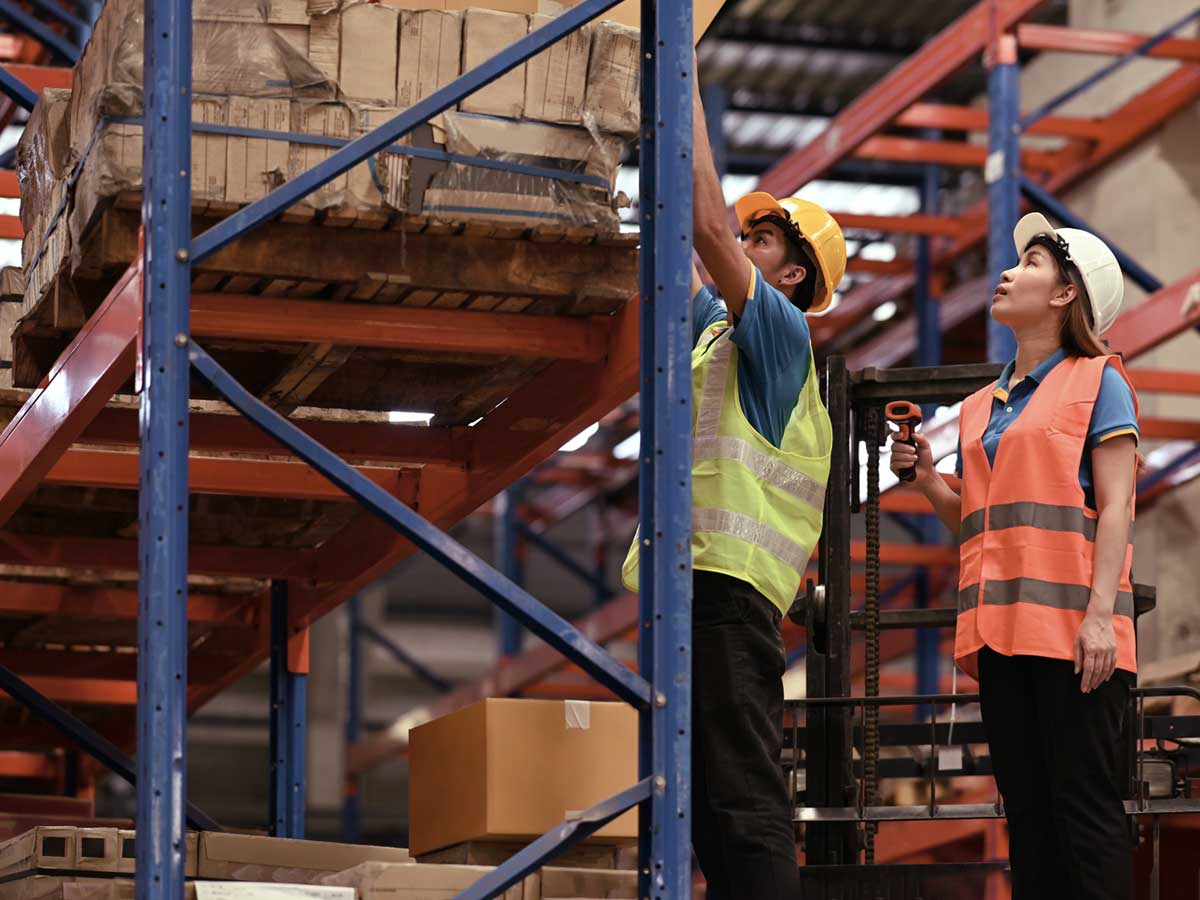
Storage
For the gap between a shipment that is ready and a property that is not — a handover pushed, a building unfinished, goods clearing faster than the lease starts. Held under the same inventory and the same coordinator, then delivered when you genuinely are ready.
Learn more →In, out, along the country, and on a company's account
Same crews, same crates. What changes is where the pressure sits and how far ahead the work has to begin.
Shipping into the country
Arrivals tend to book against the flight instead of against the address, and goods that clear before there is anywhere to put them go into storage at an unbudgeted cost. We plan backwards from the day the property is genuinely available, and when that date is still soft we build a hold into the quote rather than improvising one once the container has landed.
Shipping out of the country
Departures carry all their work at this end, against a flight that will not move, and they compete with a final month of handovers. A lease has notice, a deposit has to come back, a vehicle has to be shipped or sold, a pet's veterinary calendar started weeks ago. Almost nothing written about moving addresses this direction, which is exactly why it is the one that goes wrong.
Moving between cities
Households and staff transferring along the country rather than out of it. This is the case most often treated as a simple job and most often mispriced: it is a distance operation with an overnight leg, road-grade packing, and a delivery window that depends on a receiving building. Surveyed and scheduled exactly like a shipment, because that is what it is.
Companies, factories and mobility teams
From a single assignee's household to an office or an industrial site. What a mobility manager needs is a figure that holds, a date that holds, and to hear about a problem from us rather than from the employee. We survey each household properly instead of applying one allowance to all, quote against your policy, and report at agreed points rather than on request.
Three cities, a long road between them, and the honest edge of the map
Our teams live in the cities they load in. Coverage runs deep in three of them and by arrangement beyond, and we would rather tell you which is which than imply a crew is parked in every province.
Ho Chi Minh City
Where most shipments start or finish, and the city that taught us to survey the street first. Central districts mix towers with alleys a truck cannot enter, so a great many moves involve a shuttle leg and a second handling of every carton. Knowing which addresses require that before quoting is the difference between a price that holds and one that is revised on the day.
Hanoi
Its own crews, and its own constraints rather than a copy of the southern ones. Older quarters bring narrow frontages and stairs where a lift was assumed, and building rules on loading hours are applied strictly enough to shape the schedule. A move here is planned around what the entrance permits, which is not the same calculation as the one made further south.
Da Nang
Covered in its own right, not as a stop on the road between the other two. It is the natural midpoint of an intercity move and a growing origin for shipments leaving the country directly. We scope work here against what the local market actually holds and say so at the quote stage rather than after a crew has been dispatched.
The provinces and industrial zones
Corporate work regularly runs outside the three cities, to plants and sites in the surrounding provinces, and we handle it by arrangement with the route planned as its own leg. Outside our covered cities we work by exception and we tell you that before you commission anything: sending a crew that does not know the area serves nobody.
In-house from the survey to the seal
One structure, not a chain
Crews, crating and coordination are run entirely in-house. It gives us control of the timeline and gives you one point of responsibility, instead of a supplier explaining what another supplier did last week.
A technical survey, on site
Not a form and not a phone estimate. A consultant sees the goods, the street, the entrance and the lift, and the quote is built on what they found. This is why our prices hold and why we can commit to a day count.
Crating built here
Export cases are made in our own workshop, to the dimensions of what is going in them, rather than bought ready-made and padded out. It matters for anything fragile, high in value, or awkwardly shaped enough that a standard carton is a compromise.
English, French and Vietnamese
Our consultants work in all three. It counts where a move is quietly lost: a building manager setting out an access rule, and a customs formality where one word on a form separates a release from a hold.
A named coordinator
The same person from the survey to the final carton, including the weeks in transit when there is nothing to report and clients start to assume the worst. Reporting happens at the points that matter, without being chased.
We say what we cannot hold
Sailing schedules, customs offices and veterinary calendars are not ours. We name them in the proposal as third-party dependencies, so you know which dates we are committing to and which we are merely relaying.
From the technical survey to the empty room
Technical survey
On site, not on a form. We measure the volume, then assess the street, the parking, the entrance, the lift and the stairs at both ends, and identify anything that will not pass a doorway assembled. It is also where we ask what is not going, which remains the cheapest decision in any move.
Scope and fixed proposal
One quote itemised by service, with the route, the mode, the expected timeline and the insurance option priced beside the move. Every third-party dependency is named as such, so the dates we commit to are distinguishable from the ones we are passing on.
Packing and crating
Our crew packs and labels against a written inventory; fragile and high-value pieces are cased in our own workshop to their own dimensions. Export documentation is built from that same inventory, and nothing is sealed until the two agree with each other.
Transport and clearance
Road, sea or air, with customs handled at both ends. Intercity legs are scheduled with named dates rather than dispatched and tracked afterwards, and your coordinator reports at collection, departure, arrival and clearance without waiting to be asked.
Delivery, reassembly and removal of the debris
Goods delivered to the room, reassembled where we dismantled, and the packing materials taken away rather than left stacked in the hallway. Any damage is recorded on the day, with the inventory and the policy already in hand instead of reconstructed weeks afterwards.
What clients ask before the survey
What decides the price of a move here more than volume does?
How does a move between the two ends of the country actually work?
What does the customs side involve for an international shipment?
Which destinations do you ship to most often?
Who is our point of contact once the move starts?
Is insurance worth taking on a domestic move?
Can you move a car or a motorcycle?
Our handover date is not confirmed. What happens to the shipment?
Moving guides for Vietnam
Office Relocation from Vietnam to Australia 101
Read →
Moving from Vietnam to the US and What You Need to Know
Read →
Vietnam Work Permit Exemptions 2026 | Decree 219 – 2026 update
Read →
Vietnam Economic Outlook 2026: GDP Trends & FDI Growth
Read →
Tet in Vietnam 2026 | What Expats Should Know Before the Lunar New Year
Read →
5 Reasons Why You Should Hire a Moving Expert for Your Corporate Relocation
Read →
How to Choose a Moving Company in Ho Chi Minh City | Vietnam Guide
Read →
Moving from Vietnam to Australia – The best advices
Read →Send us the two addresses. We will come and look at the street
An apartment across the district, a household to the other end of the country, an office, or a container leaving for good. Tell us what is moving and when it has to arrive; we survey on site, quote a figure that holds, and name the dates that are not ours to promise.
Get your moving quote →