
Storage in Vietnam for the weeks a plan refuses to hold
For households that have landed before the keys exist, and for those leaving without taking everything with them. Asia Relocation Vietnam has held belongings since 2023 in Ho Chi Minh City, Hanoi and Da Nang — surveyed on site, inventoried in writing.
Storage looks like a question about a warehouse. In Vietnam, the part that decides the cost and the day happens long before the warehouse: getting the goods out of the building they are in. A street a full-size vehicle cannot enter means a shuttle with a smaller van and a second handling of every carton. A building that only permits loading outside office hours means an evening crew. Stairs where a lift was assumed change the number of people needed. None of that is exotic — it is simply the shape of the housing stock here, and it is why our surveyor looks at the entrance before the furniture.
Asia Relocation Vietnam has run storage since 2023, in warehouses monitored around the clock with controlled temperature and humidity and a written inventory on everything held. The collection, the hold and the delivery are priced as three separate things, so you can see what each costs and decline the ones you do not need — which is not how a flat monthly rate works.
The climate makes the second decision for you. Sustained humidity, not heat, is what damages stored belongings, and it does so slowly enough that nobody notices until the boxes are opened: mould on leather, joints moving in wooden furniture, paper cockling, contacts corroding in electronics. Our conditioned units are built for that, with ventilation and insulation to match. For a camera collection, a library or anything wooden they are the only sensible answer. For suitcases and a garden table they are money spent on nothing, and we will tell you so.
Storage also sits between two other jobs. Goods reach a warehouse because a crew collected them and leave because a crew delivered them. Our Vietnam moving teams handle both ends, and our relocation team knows when a property will really be available — which is what makes it possible to quote a hold with an end date rather than an open one.
Three options, and they do not all reach the same cities
Each is surveyed and priced on its own. Two questions settle the choice: what the contents are made of, and whether you will want to walk in and fetch something. Where the goods sit follows from the answer.
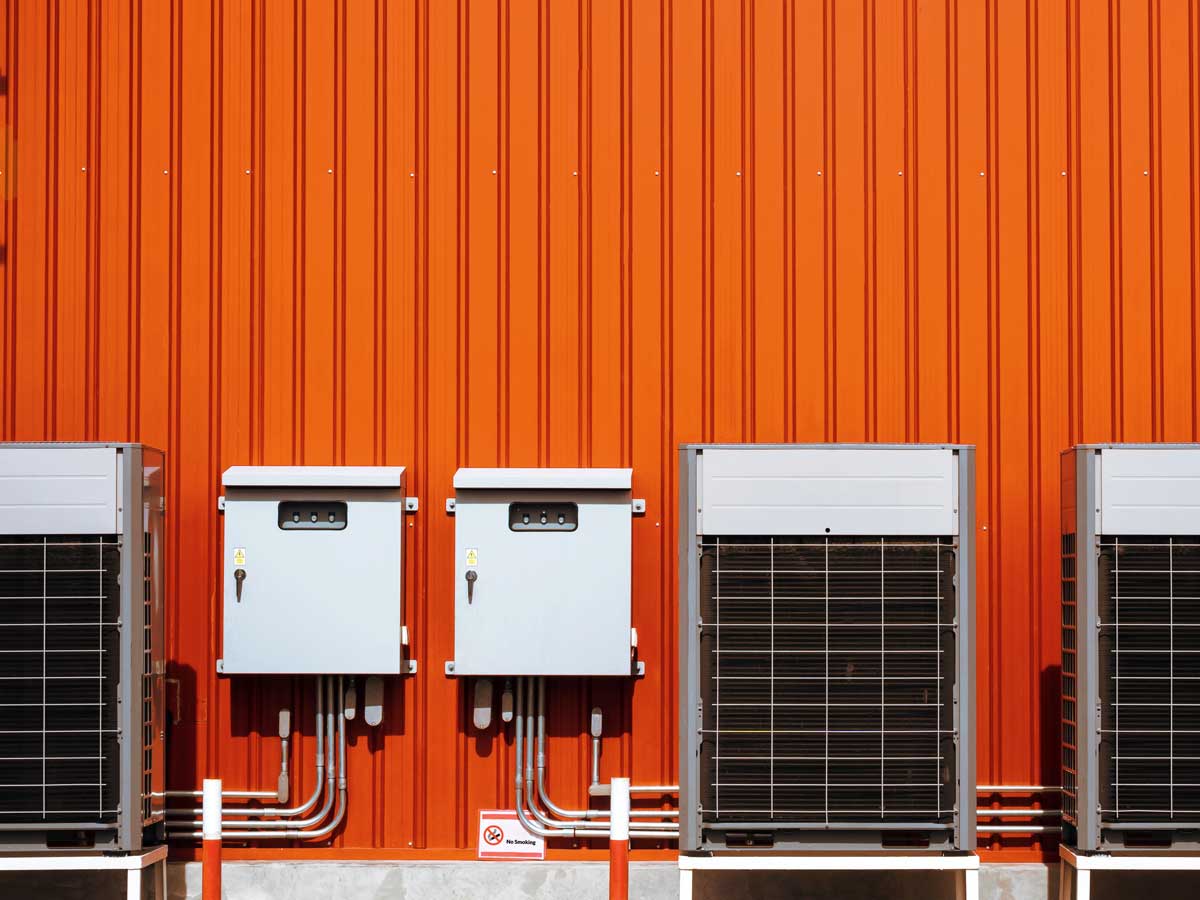
Air-Conditioned Storage
Ventilation and insulation built to hold a steady temperature and humidity through a tropical year, including the sudden swings. The widest reach of the three: it runs in all three of our cities, Da Nang included, so goods can wait near where they are going.
Learn more →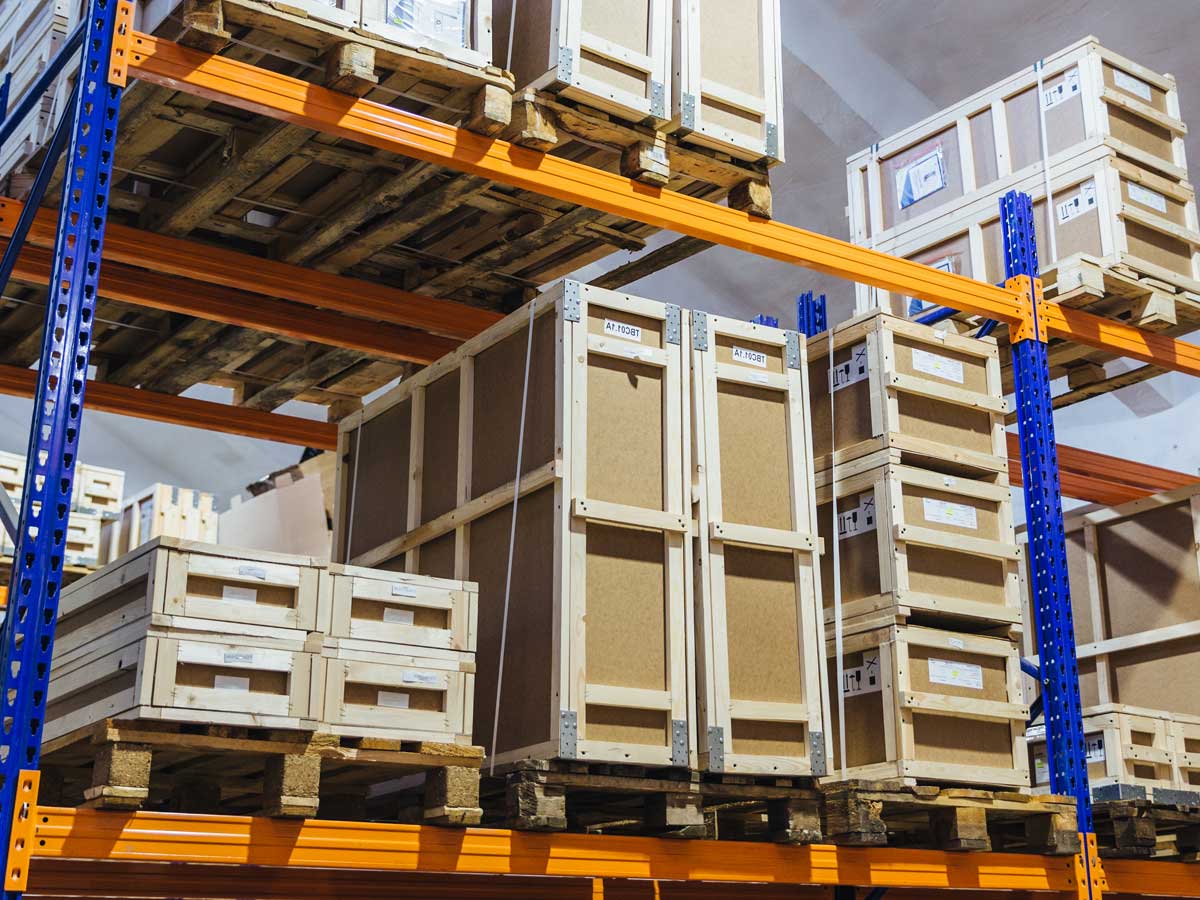
Reinforced Crates
Cases built to the goods rather than goods forced into a case, in our own workshop. The option that survives being stacked, moved and eventually sent onward without being repacked. Available in Ho Chi Minh City and Hanoi.
Learn more →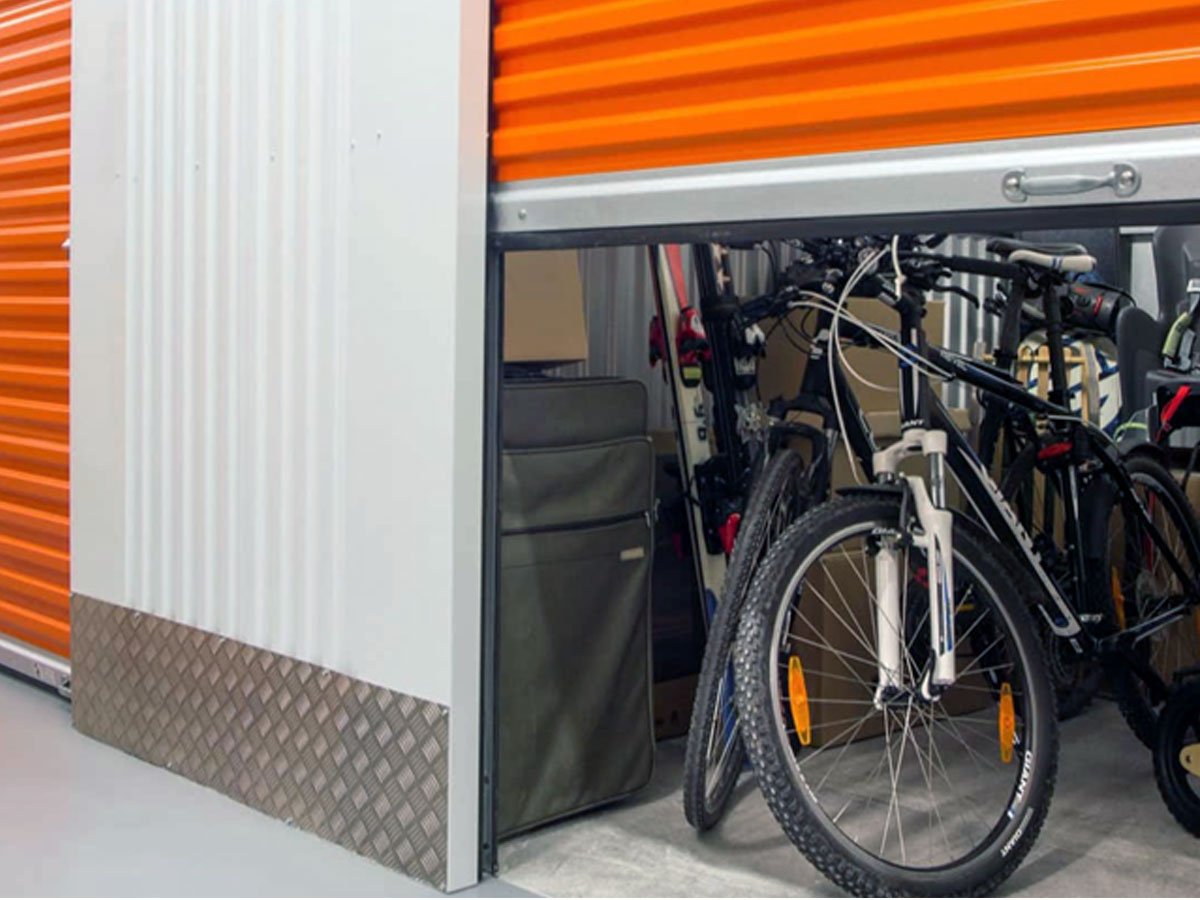
Self Storage
Your own unit, secure and lit, for anyone who expects to be fetching things during the hold. Worth siting in the district you actually live in: here, crossing the city to collect one box is an evening rather than an errand. In Ho Chi Minh City and Hanoi.
Learn more →Four situations where the calendar wins
Nobody wants storage. They want the fortnight between two dates to stop being a problem, and which fortnight it is changes what we recommend.
In the country, not yet in a home
You have arrived, the goods have cleared or are about to, and the address is not settled — the building is not finished, the handover moved, or you are still choosing between two districts. Holding the goods for those weeks costs a fraction of renting somewhere big enough to receive a household, and it takes away the worst pressure in any arrival: signing a lease you do not like because a container is waiting.
Leaving, and keeping a foothold
An assignment that ends with a return written into it, a family going home for a school year, a transfer somewhere the furniture cannot follow. Shipping a household out and back costs more than holding it in place, and much of what a home here accumulates deserves keeping without deserving a container. It waits under a written inventory, so the return is a delivery and not a reconstruction from memory.
Moving along the country
A transfer between our cities is a distance operation with an overnight leg, and the two ends rarely align to the day. Storage absorbs the difference at whichever end suits, and the choice of end is worth thinking about: a retrieval from the far city later is another distance operation, not a van trip. We say which option costs less before you commit, not after.
Companies with assets between two leases
Archives that must be kept but cannot occupy an office floor, equipment parked while premises are renegotiated, stock and event material used a few times a year. Business holds are priced like any other — on what is actually held — but the inventory carries far more weight, because eventually somebody has to produce one specific box at short notice.
Three cities, and not every option in each of them
A storage promise is a promise about a specific building in a specific city. Here is what exists where, stated plainly, including the gap.
Ho Chi Minh City
Where most holds begin and end, and where all three options exist. It is also the city where the collection is most often the hard part: central districts mix towers with alleys a truck cannot enter, so a shuttle leg and a second handling are common enough that we plan for them rather than discover them. The survey settles it before a price is given.
Hanoi
Its own warehouses and its own constraints rather than a copy of the southern ones. Older quarters bring narrow frontages and stairs where a lift was assumed, and building rules on loading hours are applied strictly enough to shape the day. All three options are available here, so a household can be crated, conditioned or self-stored without leaving the city.
Da Nang — conditioned units only
Air-conditioned storage runs here, which covers the case that matters most: goods needing a stable climate while a household settles. Crates and self-storage units are not offered in Da Nang; they are a Ho Chi Minh City and Hanoi capability. If your contents need either, the goods should sit in one of those two cities, and that is a decision to take before the collection rather than at the door.
What the warehouses carry
Round-the-clock monitoring, controlled temperature and humidity, and professional inventory management on everything held. The security answers the risk people imagine; the inventory answers the one that actually occurs, which is an item nobody can locate because no one recorded where it went. Both are standard here rather than an upgrade.
Surveyed on site, held in-house, listed in writing
A survey that looks at the street
Not a form and not a phone estimate. A consultant sees the goods, the entrance, the stairs and what the building allows, because here those decide the crew and the day far more reliably than the cubic metres do.
Built against humidity, not against heat
Conditioned units exist because a tropical year damages belongings quietly. We will also say when you do not need one — a set of suitcases does not, and paying for conditioning there is money spent on nothing.
Cases made in our own workshop
Crates are built to the goods rather than the goods packed down to fit a standard box. It matters for anything fragile, valuable or awkwardly shaped, and it means a crate can later travel onward without being opened.
One list, in and out
The inventory written at collection is the one used in the warehouse and the one checked at delivery. Rent a unit from one company and have another fill it, and two records exist — which in practice means neither is trusted when something is missing.
English, French and Vietnamese
Our consultants work in all three, which counts when an agreement about your belongings has to mean the same thing to you and to the people holding them. Nothing important should rest on a summary of a document you cannot read.
Reachable through the quiet months
A hold is a long stretch of nothing happening, which is exactly when people begin to wonder. The coordinator who arranged it answers when one item is needed back, or when the return date shifts — as on a long hold it generally does.
From the on-site survey to the day it comes back
On-site survey
We measure what is going in and assess how it will get out: the street, where a vehicle can stand, the entrance, the lift, the hours the building permits. Then two questions — what the contents are made of, and whether you will want access — which between them settle the unit type and the city.
Quote, unit type and duration
A written price on the volume actually held, with collection, hold and delivery itemised rather than merged into one rate. The end date is written down; extending or releasing early is agreed in the same document, so a change of plan does not reopen the negotiation.
Collection, crating and the inventory
Our crew wraps and, where crating applies, builds cases to the goods in our own workshop. Everything is listed as it is loaded, and that list is yours from the first day rather than a document produced later if a question arises.
Held and monitored
Goods sit in a warehouse watched around the clock, and in a conditioned unit at a temperature and humidity that ignore the season outside. Nothing is required from your side during the hold, which is precisely the service.
Delivered, or sent onward
Released against the same inventory when you say so. If the next address is in another city or another country, crated goods travel without being repacked and the storage file hands over to the moving file instead of starting again from an empty page.
Asked before the survey
Getting things out of our building looks difficult. Is that your problem or ours?
Which city should hold our things?
Is every storage option available in all three cities?
What does the climate actually do to stored belongings here?
We are leaving Vietnam but plan to return. Can our things stay?
Our handover keeps slipping. Can storage absorb that?
Can we get to our belongings while they are stored?
How is it priced, and what is included?
Storage and moving guides for Vietnam
Vietnam Work Permit Exemptions 2026 | Decree 219 – 2026 update
Read →
Office Relocation from Vietnam to Australia 101
Read →
Vietnam Economic Outlook 2026: GDP Trends & FDI Growth
Read →
Tet in Vietnam 2026 | What Expats Should Know Before the Lunar New Year
Read →
5 Reasons Why You Should Hire a Moving Expert for Your Corporate Relocation
Read →
How to Choose a Moving Company in Ho Chi Minh City | Vietnam Guide
Read →
Moving from Vietnam to Australia – The best advices
Read →
Moving from Vietnam to the UK
Read →Tell us what has to wait, and we will come and look at the doorway
A household between two leases, a home packed up for a year away, an office archive, or three rooms while the builders are in. Send us the rough volume and the dates you have; we survey on site, recommend the unit type your contents need, and quote a hold you can shorten.
Get a storage quote →