
Moving services in the Philippines, across the city or across the sea
Into the country, out of it, or between the islands. Asia Relocation Philippines has packed, shipped, cleared and delivered household goods and corporate assets here since 2011, with its own crews and its own warehouses at both ends.
Moving in an archipelago is a different trade from moving on a landmass, and it is the reason quotes here look unfamiliar to anyone who has moved in Europe or North America. A domestic move can include a sea leg. Goods are loaded, secured, sailed, unloaded and reloaded, and every one of those transfers is a moment where a piece of furniture gets marked. That is why we survey and pack a move between two islands to the same standard as a shipment leaving the country: the distance may be modest, but the handling is not.
Asia Relocation Philippines is where this company started, in 2011, and it remains the operation with the deepest bench. Crews, warehouses, customs work and coordination are ours rather than a chain of subcontractors, which matters most on the day something slips: one company can reschedule around a delay, whereas three suppliers can only explain it to each other while you wait.
The second local variable is time rather than distance. In the capital, two addresses that look adjacent on a map can be most of a working day apart at the wrong hour, and buildings compound it by releasing their loading bays only in fixed windows. So we book the access slot first and build the route and the crew around it. Clients who compare quotes on volume alone are comparing the smaller half of the job.
A move also rarely travels alone. A container is booked against a move-in date, and that date is set by a lease and by an immigration status. Our Philippines relocation and visa & immigration teams sit inside the same country team, so the three calendars are planned together rather than reconciled after one has already slipped.
Seven services, priced apart and run together
Each service below is surveyed and quoted on its own, and each runs in both directions — goods arriving in the country and goods leaving it. What follows is how each behaves in the Philippines specifically; the procedure in full sits on its own page.

Local Moving
A move across town and a move to another island are the same service here, and both are surveyed like a shipment. What we plan first is neither distance nor volume but the access window: the hour the building releases its bay, and the hour the traffic makes the run possible.
Learn more →
International Moving
Export packing, a written inventory, freight by sea or air, and a customs declaration that matches the inventory line for line at both ends. Prepared before the container is sealed, because that agreement is what decides whether the far end takes an afternoon or a fortnight.
Learn more →
Office Relocation
Business districts and provincial sites sit far apart here, so a corporate move is usually several addresses rather than one. We sequence them so that no team arrives on a Monday without a desk, and any consignment crossing water is packed for the transfers rather than for the mileage.
Learn more →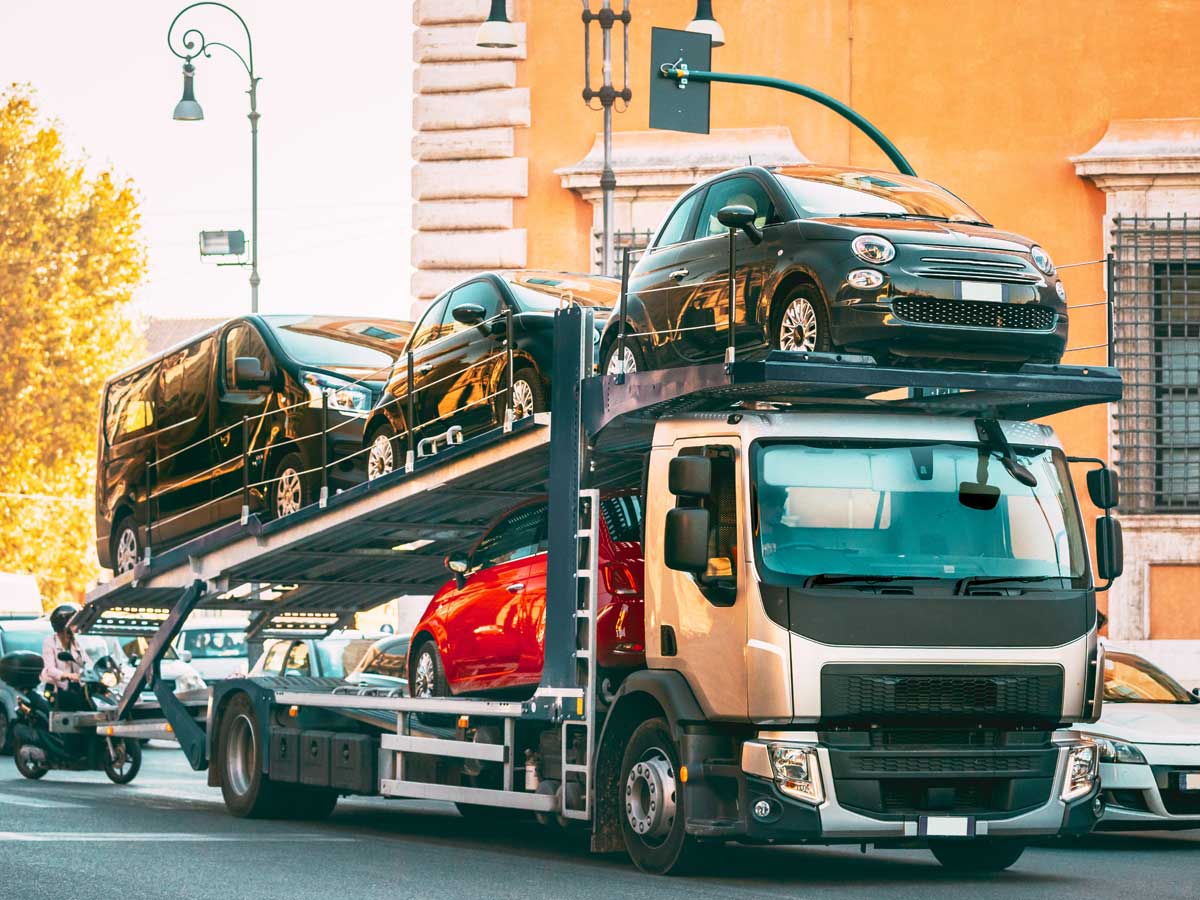
Vehicle Transport
Cars and motorcycles, shipped between islands or overseas, by container or roll-on/roll-off. The inter-island case is the one owners underestimate: the vehicle never leaves the country, and the paperwork is still an export-grade exercise from start to finish.
Learn more →
Pet Moving
Dogs, cats and others, moved between islands as readily as across borders. The domestic case is the one owners assume is simple, and it still requires approved crates, airline coordination and a veterinary file. We prepare that file against whichever set of rules actually applies.
Learn more →
Moving Insurance
Placed through ITI, built on the declared value you set, and running from the first carton to final delivery including any storage between. Worth reading closely when a shipment changes hands at a pier: that is where the risk concentrates.
Learn more →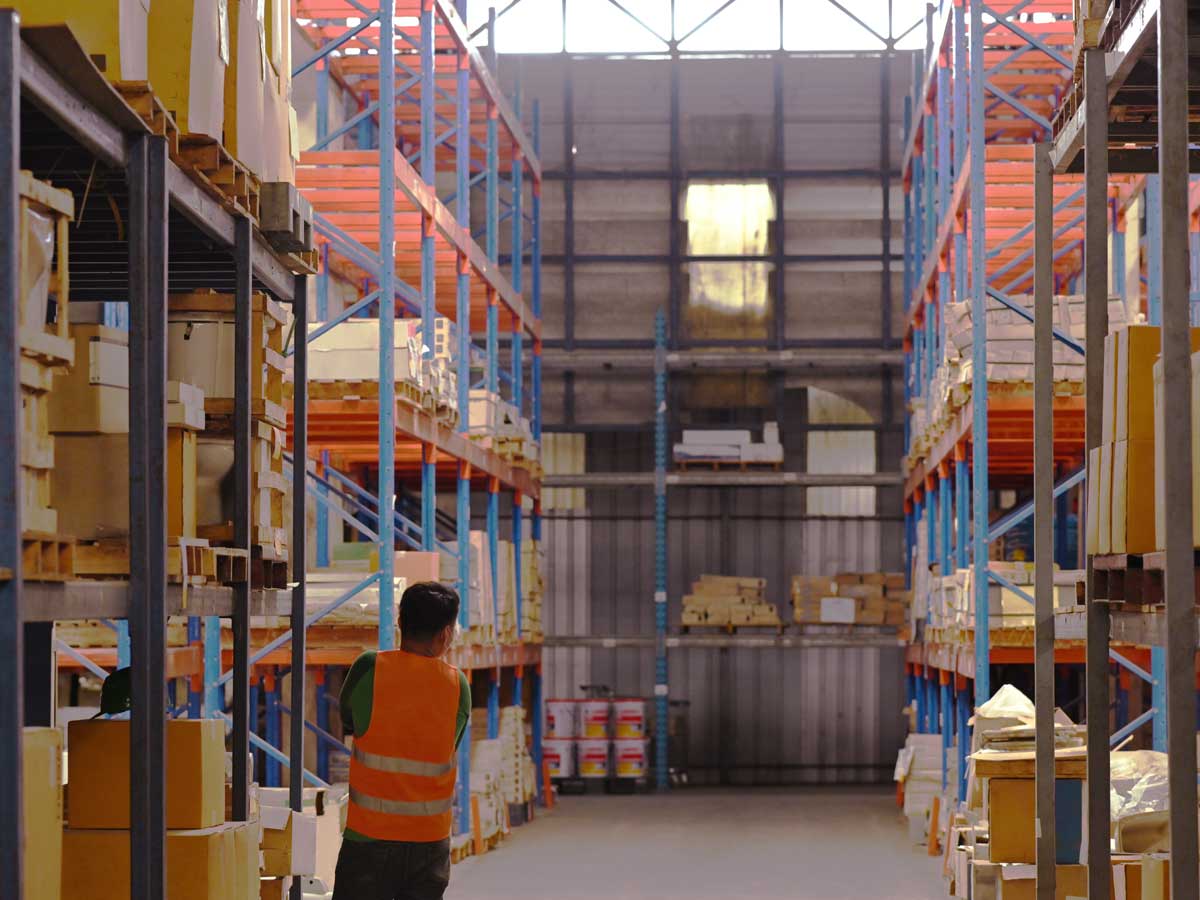
Storage
Our own warehouses in Manila and in Cebu, air-conditioned and monitored around the clock, with reinforced wooden crates built for anything fragile. Storing in the city where the goods will land saves a whole transport leg — which is why two locations matter.
Learn more →Coming in, going out, and the two cases in between
The crews and the crates are the same. What changes is which end carries the risk, how early the work has to start, and who is going to be chasing whom.
Arriving from abroad
Households shipping in usually book against the flight rather than against the address, and goods that land before there is anywhere to put them go into storage at a cost nobody planned. We work backwards from the day the property is genuinely available. If that date is still soft — and on a first posting it usually is — we price a hold into the quote instead of improvising one when the container is already at the port.
Leaving the country
The outbound file is the underestimated one, because all the work sits at this end and it competes with a final month of handovers. A lease has a notice period, a deposit has to be recovered, a vehicle has to be shipped or sold, and a pet's veterinary calendar started weeks before anyone thought about cartons. Closing a household down takes longer than opening one, and almost nothing published about moving addresses this direction.
Moving between islands
The case that looks domestic on the invoice and behaves like an export in practice. A sea leg means extra handling, a sailing schedule and a weather dependency, and it is where a cheap quote quietly becomes an expensive claim. We pack for the transfers rather than for the distance, and we say at the survey which part of the timing belongs to a shipping line rather than to us.
Companies and mobility teams
What a mobility manager needs is a figure that holds, a date that holds, and to hear about a problem from us rather than from the assignee. We survey each household properly instead of applying one allowance to all of them, quote against your policy, and report at agreed points. For an office move the deliverable is not the furniture; it is the hour the business is working again.
Two warehouse cities, and the water in between
Our crews and our storage sit in the two places most shipments pass through, and we work outward from them. Coverage is not uniform across seven thousand islands, and we would rather describe its shape than imply otherwise.
Metro Manila
Where most shipments enter or leave and where our first warehouse sits. The capital is unusual in having several business districts rather than one — Makati, Ortigas and the newer developments each behave differently on building access, and Alabang adds a southern run that is a different day's work entirely. The address decides the hour we start far more than the volume decides the crew.
Cebu
Our second warehouse, and the reason a delivery in the Visayas does not have to be trucked and shipped from the capital first. Storing goods in the city where they will eventually be delivered removes a whole transport leg, along with the handling and the risk that leg carries. It is an unglamorous advantage and it is the one clients notice on the invoice.
Davao and the south
Reached regularly for household and corporate work, with the run planned as its own leg rather than treated as an extension of a Manila job. Packing is specified for the journey the goods will actually make: a consignment heading south by sea needs protection that a cross-town move does not, and the survey is where that gets decided rather than the loading bay.
Between the islands
Not a place but the country's defining constraint, and the thing that makes moving here its own discipline. Sailings run to a schedule we do not set, weather can hold a vessel, and every transfer is a handling point. We treat inter-island work as routine rather than exceptional, price the extra handling openly, and name the dates that belong to a shipping line.
The country we started in, and the one we know best
Since 2011, and still the deepest bench
This is where the company began. The method was not designed elsewhere and imported: it was built here, against these islands and these ports, and it remains our most complete moving operation.
Our own warehouses
Storage in Manila and in Cebu, air-conditioned and monitored around the clock, with crates we build ourselves. Storage sublet to a third party is a second company handling your goods without ever having quoted for them.
GPS-tracked transport
You can see where the shipment is, and your coordinator reports at the moments that carry meaning rather than on a fixed schedule. It does not prevent a delay; it does remove the fortnight of silence in which clients assume the worst.
Surveyed, then quoted
Volume guessed from a phone call is the commonest reason a moving invoice ends up above its quote. We measure first, then price, and the figure holds unless what is moving changes. A number without a survey is not a quote.
Packed for the transfers
Cartons that survive a truck do not automatically survive being craned, stacked and re-handled at a pier. Materials here are chosen for the number of times goods will change hands, which on an inter-island route is more often than clients expect.
One coordinator, both ends
The same person from the survey to the last carton unpacked, including the weeks when the shipment is at sea and there is technically nothing to report. You should never have to explain your own move to somebody new.
How the work is sequenced, stage by stage
Pre-move survey
A consultant measures the real volume and looks at what clients never mention: the lift, the stairs, the width of the entrance, the pieces that will not pass a doorway assembled, and the loading window the building actually permits. It is also where we ask what is not going, which is usually the cheapest decision available.
Scoped, fixed proposal
One quote, itemised by service, with the routing, the expected timeline and the insurance option priced beside the move rather than folded into it. Anything depending on a third party — a shipping line, a customs office, a veterinarian — is named so you know which dates are ours to hold and which are not.
Packing and documentation
Our crew packs and labels against a written inventory, and the export paperwork is built from that same inventory. Fragile and high-value pieces are crated in our own workshop. Nothing is sealed until the documents and the contents agree, because that agreement is the whole of the far end.
Transport and clearance
By road, by sea or by air, GPS-tracked, with the customs declaration handled at both ends. Inter-island legs are booked against sailing schedules rather than against wishes, and your coordinator reports at collection, departure, arrival and clearance instead of leaving you to chase.
Delivery, unpacking and the debris
Delivered to the room, reassembled where we dismantled, and the packing materials taken away — the step budget movers leave stacked in your hallway. Anything damaged is recorded on the day, with the inventory and the policy already in hand rather than reconstructed from memory weeks later.
Questions we are asked before a survey
Why is a domestic move here quoted like an international one?
How much does traffic really affect a move in the capital?
Can we follow where our shipment is?
What do you need from us for customs clearance?
Where can our goods be stored, and under what conditions?
Do you handle office moves for a company with several sites?
How early do pets and vehicles need to start?
Are you moving people out of the country as well as in?
Moving guides for the Philippines

Section 13 Quota Visa Philippines: 2026 Guide
Read →
Holy Week in the Philippines: Guide for Expats and Families
Read →
5 Reasons Retired Couples Should Hire a Relocation Expert Before Moving Abroad
Read →
Best Moving Company Manila: 5-Step Guide (2026)
Read →
Hidden Relocation Costs in Southeast Asia: VN/TH/PH
Read →
Philippines SRRV 2025: Age Requirement Drops to 40
Read →
SRRV Philippines 2025
Read →
Best Expat Destinations in 2026: A Guide for Global Citizens
Read →Give us the two addresses and the date. We will come and measure
A studio across the city, a household to another island, an office floor, or a container leaving the country for good. Tell us what is moving and when it has to be there; we survey, quote a figure that holds, and say plainly which dates belong to somebody other than us.
Get your moving quote →